
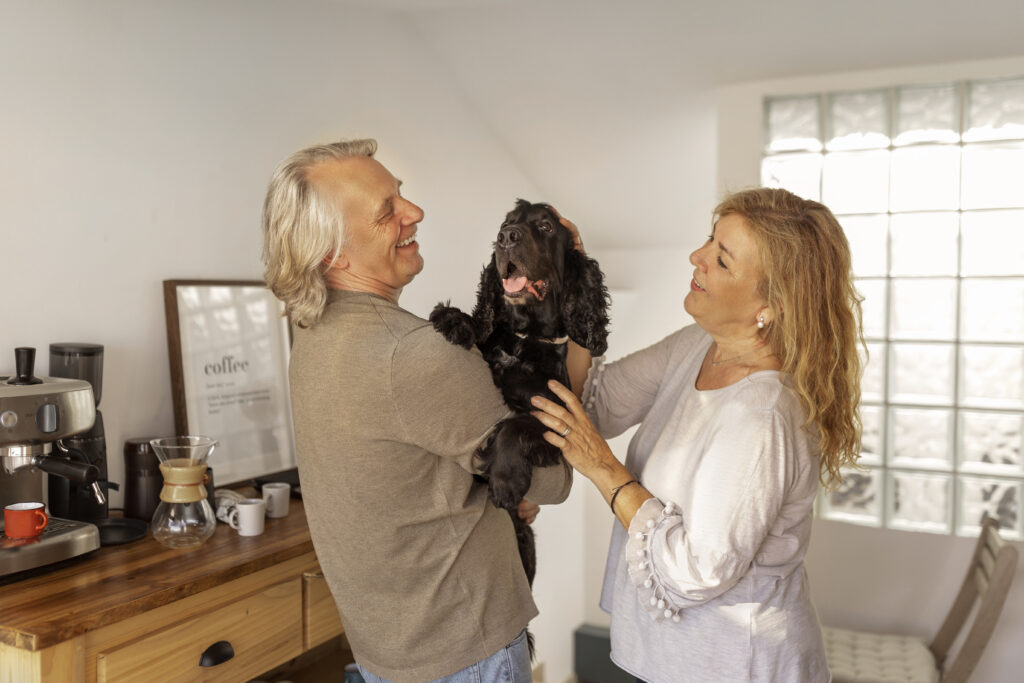
Senior dog care becomes increasingly important as our canine companions grow older. Just like people, dogs experience changes in their health, mobility, and daily needs as they age. With the right attention and preventive care, many senior dogs can continue to enjoy happy, comfortable lives for years. For pet families in Royal Oak, Troy, Warren, and surrounding communities, understanding how to support an aging dog is an essential part of responsible pet ownership.
When Is a Dog Considered a Senior?
The age at which a dog becomes a senior depends on its breed and size. Smaller dogs often reach their senior years around 10 to 12 years of age, while larger breeds may be considered seniors as early as 7 years old. As dogs age, they may begin to show subtle signs that indicate changes in their physical and mental health.
Common signs include:
- Reduced energy levels
- Difficulty getting up or climbing stairs
- Weight gain or weight loss
- Changes in appetite
- Increased sleeping
- Hearing or vision changes
- Behavioral changes such as confusion or anxiety
Recognizing these changes early allows pet owners to provide appropriate support and seek veterinary guidance when needed.
Prioritize Regular Senior Dog Health Checks
One of the most important aspects of older dog health is scheduling routine veterinary visits. Senior dogs benefit from more frequent examinations because age-related conditions can develop gradually and often without obvious symptoms.
Regular senior dog health checks may include:
- Comprehensive physical examinations
- Blood work and urine testing
- Weight monitoring
- Blood pressure evaluation
- Dental assessments
- Joint and mobility evaluations
These visits help identify potential issues before they become serious problems. Early detection often leads to more effective treatment and improved quality of life.
Focus on Nutrition for Aging Dog Care
Proper nutrition plays a major role in aging dog care. As dogs grow older, their metabolism changes, and their dietary needs may differ from those of younger pets.
A balanced diet for senior dogs should support:
- Healthy body weight
- Joint function
- Muscle maintenance
- Digestive health
- Immune system function
Some senior dogs may require special diets to manage medical conditions such as kidney disease, diabetes, or heart disease. Always consult your veterinarian before making significant dietary changes.
Fresh water should also be available at all times, as hydration remains essential for overall health.
Help Your Dog Stay Active
Many pet owners assume older dogs should rest most of the day. While adequate rest is important, regular exercise remains a key component of elderly dog care.
Exercise helps:
- Maintain healthy weight
- Improve joint flexibility
- Support cardiovascular health
- Stimulate mental engagement
- Strengthen muscles
The type and duration of exercise should be adjusted to your dog’s abilities. Gentle walks, light play sessions, and low-impact activities are often ideal for senior pets.
If your dog appears uncomfortable during exercise or shows signs of pain, consult your veterinarian for guidance.
Monitor Joint and Mobility Health
Arthritis and joint problems are common concerns among senior dogs. Many aging pets experience stiffness, especially after resting or during colder weather.
Watch for signs such as:
- Limping
- Reluctance to jump
- Difficulty standing
- Slower movement
- Reduced interest in physical activities
Providing orthopedic bedding, ramps, non-slip flooring, and veterinarian-recommended supplements may help improve comfort. Maintaining a healthy weight can also reduce stress on aging joints.
Don’t Overlook Senior Pet Wellness
Comprehensive senior pet wellness involves more than physical health. Mental stimulation remains important throughout a dog’s life.
Ways to keep senior dogs mentally engaged include:
- Puzzle toys
- Gentle training exercises
- Interactive games
- New walking routes
- Positive social interactions
Cognitive decline can affect some senior dogs, leading to confusion, disorientation, or changes in behavior. Discuss any unusual symptoms with your veterinarian to determine the best course of action.
Maintain Good Dental Health
Dental disease becomes more common as dogs age. Poor oral health can contribute to pain, infection, and even systemic health issues affecting the heart, liver, and kidneys.
Signs of dental problems may include:
- Bad breath
- Difficulty chewing
- Excessive drooling
- Red or swollen gums
- Loose teeth
Regular dental evaluations and professional cleanings can help protect your dog’s overall health and comfort.
Partner With Your Veterinarian
Building a strong relationship with your veterinary team is one of the best ways to support your senior dog. A trusted veterinarian Troy MI area pet owners rely on can help create a personalized care plan based on your dog’s age, breed, and health status.
Whether your dog is entering their senior years or already experiencing age-related changes, proactive veterinary care can make a meaningful difference in their quality of life.
Conclusion
Senior dogs deserve the same love and attention they have given their families throughout their lives. By focusing on preventive care, proper nutrition, regular exercise, and routine veterinary visits, pet owners can support healthy aging and help their companions remain comfortable and active. Understanding the unique needs of senior dogs allows Royal Oak pet families to enjoy many more happy years with their beloved pets.
FAQs
How often should senior dogs see a veterinarian?
Most senior dogs should have wellness examinations every six months. More frequent visits may be recommended if your dog has ongoing health conditions.
What are the most common health problems in senior dogs?
Common concerns include arthritis, dental disease, obesity, heart disease, kidney disease, vision loss, hearing loss, and cognitive decline.
How can I tell if my dog is experiencing arthritis?
Signs may include stiffness, limping, difficulty standing, reluctance to jump, reduced activity levels, and discomfort after exercise.
Is it normal for senior dogs to sleep more?
Yes, many senior dogs naturally sleep more than younger dogs. However, excessive lethargy or sudden changes in activity levels should be evaluated by a veterinarian.
What is the best diet for a senior dog?
The best diet depends on your dog’s age, breed, weight, and overall health. Your veterinarian can recommend a nutrition plan that meets your dog’s specific needs.
Can older dogs still exercise?
Absolutely. Regular low-impact exercise is beneficial for most senior dogs and helps maintain mobility, muscle strength, and overall health.