
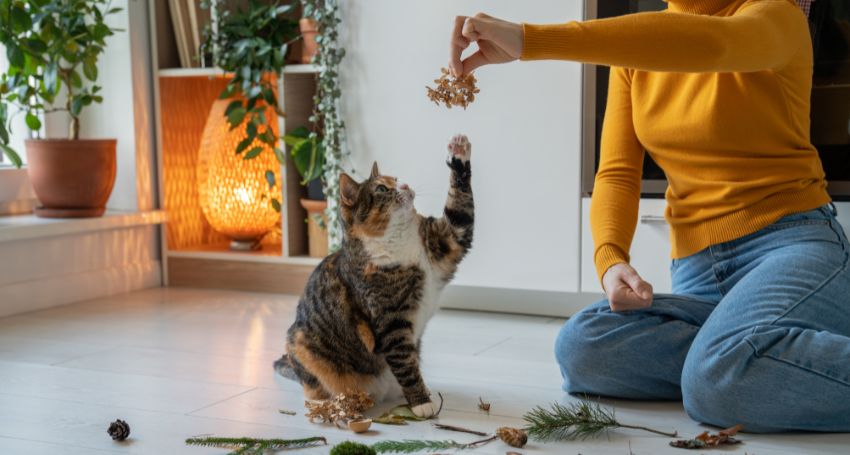
Indoor cat enrichment is far more than just buying a few plush mice and calling it a day—it is a vital component of responsible pet ownership. While keeping cats indoors protects them from traffic, predators, and infectious diseases, a strictly indoor lifestyle can sometimes lead to environmental stagnation. Without opportunities to hunt, climb, and explore, indoor felines can easily fall victim to boredom, weight gain, and behavioral distress.
Providing purposeful, daily stimulation bridges the gap between the safety of the indoors and the rich sensory experiences a cat’s biological instincts demand. Let’s explore how active environmental care directly transforms your cat’s mind and body.
The Physical Care Side: Fighting Feline Obesity
One of the most immediate physiological benefits of purposeful activity is cat obesity prevention. Excess weight is one of the most common health threats facing domestic felines today. Overweight cats face an elevated risk of developing serious conditions, including feline diabetes, painful osteoarthritis, hepatic lipidosis (fatty liver disease), and cardiovascular strain.
By introducing structured indoor cat exercise, pet parents can help their companions maintain an ideal body condition score and lean muscle mass.
Transforming Mealtime into Exercise
Cats are natural opportunistic hunters, programmed to expend energy before eating. Free-feeding out of a standard bowl removes this physical challenge. You can easily incorporate movement into daily routines through simple adjustments:
- Food Puzzles & Snuffle Mats: Force your cat to use their paws and problem-solving skills to extract individual kibbles, slowing down eating while burning energy.
- Active Feeding: Divide their daily portion into small bowls hidden across different vertical levels of your home, forcing them to hunt for their meals.
- Interactive Play Sessions: Using feather wands, laser pointers, or motorized toys for 10 to 15 minutes twice a day stimulates sprinting, jumping, and pouncing.
Supporting Cat Mental Health and Emotional Well-being
Physical fitness is only half the equation; cat mental health requires equal attention. A cat’s brain is wired for intense sensory focus. In a monotonous living space, a lack of mental stimulation can manifest as chronic apathy, compulsive over-grooming, nocturnal vocalization, or destructive behaviors like scratching doorframes and carpets.
How Mental Engagement Prevents Boredom
To keep healthy indoor cats mentally sharp, their living space must feature high environmental complexity. Cats process the world through smell, sound, sight, and touch. Rotating their access to toys on a weekly basis keeps their play routines feeling novel and exciting. Providing window perches with views of bird feeders (“cat TV”) offers passive cognitive engagement that keeps their minds active for hours.
Feline Stress Reduction and Territorial Security
Cats are hyper-sensitive to their environment. Sudden household changes, new pets, or even subtle shifts in routine can trigger anxiety. Effective environmental design plays a pivotal role in feline stress reduction, preventing anxiety-driven problems like inappropriate elimination (urinating outside the litter box), territorial aggression, and extreme hiding.
The Power of Vertical Territory
Cats view world security through height. Establishing vertical territory allows your cat to survey their kingdom from a position of safety:
- Cat Trees & Wall Shelves: Provide high perches where cats can rest away from dogs, small children, or household foot traffic.
- Hiding Spaces: Covered cat beds, cardboard boxes, or tunnel systems give anxious cats a safe retreat when they feel overwhelmed.
- Scratching Posts: Scratching isn’t just claw maintenance—it releases territorial scent markers from paw pads and offers a full-body stretch that relieves physical tension.
When to Consider Feline Behavioral Therapy
Sometimes, despite a cat owner’s best efforts, severe behavioral issues arise. In cases of intense inter-cat aggression, chronic anxiety, or compulsive behaviors, professional feline behavioral therapy can offer a targeted path forward.
Behavioral consultants and veterinary behaviorists work by analyzing environmental triggers and designing tailored modification plans. These plans heavily feature environmental modification, desensitization routines, and structured play protocols designed to rebuild a cat’s confidence and lower overall stress baselines.
Simple Daily Enrichment Strategies
You don’t need a massive budget or a palace to build an engaging environment. Here are key enrichment types you can implement immediately:
- Nutritional Enrichment: Slow down feeding and spark instinct by hiding treats inside paper towel rolls folded at the ends, or by using commercial puzzle feeders.
- Occupational Enrichment: Exercise problem-solving skills by providing interactive treat mazes or challenging puzzle toys.
- Physical Enrichment: Promote mobility and climbing by installing floating wall shelves or placing a tall cat tree near a sunlit window.
- Sensory Enrichment: Engage smell and sight by introducing pots of cat grass, catnip toys, or safe silvervine sticks.
- Social & Play Enrichment: Strengthen the human bond by conducting dedicated 10-minute wand toy sessions right before mealtime.
Frequently Asked Questions
How many hours of play does an indoor cat need each day?
Most adult indoor cats thrive on 20 to 30 minutes of interactive play daily, ideally split into two shorter 10- to 15-minute sessions. Kittens and high-energy breeds may require up to an hour of structured play throughout the day.
How can I tell if my indoor cat is bored?
Common signs of boredom include excessive sleeping beyond the normal 12–16 hours, over-eating, compulsive grooming leading to bald patches, follow-me behaviors accompanied by constant meowing, and destructive scratching or knocking objects off counters.
Can old or senior cats participate in enrichment?
Absolutely yes! Senior cats benefit significantly from gentle mental and physical engagement. For older felines, focus on ground-level puzzle mats, gentle scent games (like catnip or silvervine), low-built scratching pads, and mild wand play that doesn’t put excessive stress on aging joints.