
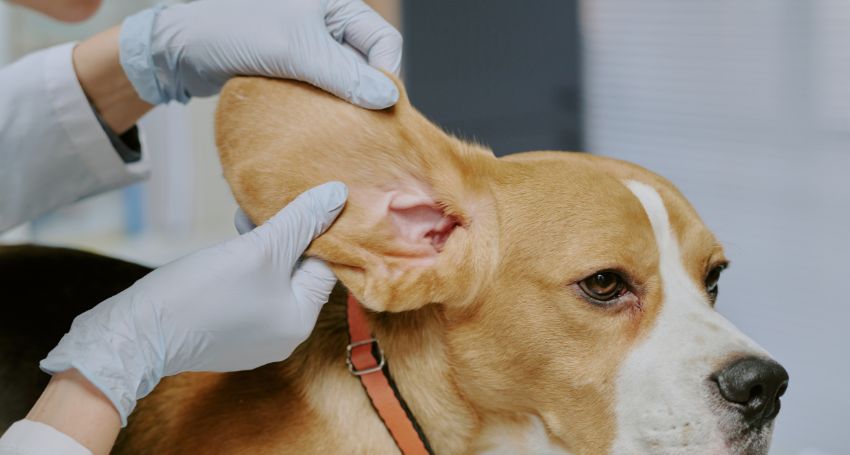
A dog’s inner ear infection is a serious medical condition that requires immediate veterinary care. While mild surface infections in the outer ear canal are common among canines, an infection that penetrates deep into the inner ear structures can compromise your pet’s comfort, hearing, and balance. Recognizing the early signs and seeking rapid medical intervention is essential to prevent permanent damage and bring your dog much-needed relief.
What Is Otitis Interna in Dogs?
When veterinarians talk about a canine inner ear infection, they often refer to it as otitis interna in dogs. The canine ear consists of three main parts: the outer ear (the pinna and vertical/horizontal canal), the middle ear (containing the eardrum and tympanic cavity), and the inner ear (housing delicate structures responsible for hearing and equilibrium).
In most cases, an inner ear infection develops when an untreated outer or middle ear infection migrates inward. The inner ear contains two vital systems: the cochlea, which processes sounds, and the vestibular apparatus, which communicates spatial orientation to the brain. Because these sensitive components are housed deep inside the skull, inflammation in this area directly impacts both hearing and neurological coordination.
Key Dog Ear Infection Symptoms to Watch For
Recognizing dog ear infection symptoms early can prevent a routine issue from turning into a severe, long-term health complication. While outer ear infections typically manifest as redness, foul odor, and scratching, an infection in the inner ear produces more dramatic, bodily signs.
Common signs of an inner ear infection include:
- Head tilting: Holding the head angled continuously toward the side of the infected ear.
- Rapid eye movements (nystagmus): Uncontrolled, rhythmic moving of the eyes back and forth or up and down.
- Loss of balance: Stumbling, walking in circles, falling over, or showing general incoordination (ataxia).
- Severe pain: Whining or flinching when touched around the head, ears, or mouth.
- Facial nerve changes: Drooping on one side of the lips, eyelid, or face due to localized nerve inflammation.
- Reluctance to eat: Difficulty or pain when opening the mouth or chewing, as the temporomandibular joint sits close to the ear structures.
- Nausea and vomiting: Dizziness caused by disruption to the vestibular system often leads to motion sickness.
If your dog displays a sudden loss of balance after an ear infection, treat it as an urgent concern and contact your veterinarian immediately.
Common Causes of Inner Ear Infections in Dogs
Understanding how otitis interna develops helps in taking proper preventive measures. The primary drivers include:
- Bacterial Infections: Bacterial overgrowth stemming from untreated chronic outer ear infections (otitis externa) is the leading cause.
- Yeast Overgrowth: Excess moisture creates an ideal environment for yeast, which can eventually spread deeper into the ear canal.
- Foreign Bodies: Grass awns, foxtails, or debris pushed deep down the ear canal can rupture the eardrum, allowing pathogens to enter the inner chamber.
- Trauma: In rare cases, head injuries or forceful cleaning methods can damage the ear structure and lead to deep-seated inflammation.
- Polyps or Tumors: Abnormal growths inside the ear canal can obstruct airflow, trap fluid, and promote deep infection.
Veterinary Diagnosis and Dog Ear Infection Treatment
Diagnosing otitis interna requires a thorough medical evaluation. Your veterinarian will perform an otoscopic exam to visually inspect the ear canal and check the integrity of the eardrum. Because the inner ear cannot be seen directly with a standard scope, additional diagnostic tools may include:
- Cytology and Bacterial Culture: Swabbing ear debris to identify the exact bacteria or yeast responsible.
- Neurological Assessment: Evaluating facial reflexes, eye movements, and gait.
- Advanced Imaging: X-rays, CT scans, or MRIs to view the deep bony structures of the ear and rule out underlying masses or bone damage.
Once confirmed, an effective dog ear infection treatment plan will be tailored to the root cause and severity of the condition. Treatment typically involves a combination of targeted therapies:
Systemic Medications
Unlike outer ear infections that are often managed solely with topical drops, inner ear infections usually require systemic oral medications. Your vet may prescribe targeted oral antibiotics or antifungal drugs for four to eight weeks to ensure the deep infection is entirely eradicated.
Pain Management and Anti-Inflammatories
Because otitis interna can be painful and distressing, anti-inflammatory medications or pain relievers are frequently prescribed. These reduce localized swelling, relieve pressure, and ease the dog’s discomfort.
Vestibular Support
If severe dizziness or nausea is present, anti-nausea medication can help stabilize your dog’s appetite and comfort while the underlying infection resolves.
Careful Professional Cleaning
If the eardrum is ruptured or compromised, standard ear cleaners must not be used, as certain ingredients can cause permanent inner ear toxicity. Your veterinarian may perform a gentle, specialized flush under sedation.
Providing consistent dog ear infection relief requires strict adherence to the full course of medication. Even if symptoms improve within a few days, stopping treatment prematurely can cause the infection to return with increased resistance.
Home Care and Prevention
While home remedies should never replace professional veterinary care for an inner ear infection, proper care at home supports recovery and helps prevent future flare-ups.
- Maintain a Safe Space: Keep a dog experiencing balance issues in a carpeted, well-lit, quiet area free of stairs or sharp furniture.
- Keep Ears Dry: Prevent water from entering the ears during baths or swimming by using cotton balls as temporary barriers.
- Routine Inspections: Regularly check your dog’s outer ears for redness, discharge, or unpleasant odors before deep issues develop.
- Follow Cleaning Guidance: Use only vet-approved ear cleaners and methods. Avoid inserting cotton swabs deep into the ear canal.
Frequently Asked Questions
Can a dog recover completely from an inner ear infection?
Yes, most dogs make a full recovery when diagnosed early and treated with a complete course of targeted antibiotics or antifungals. In severe or prolonged cases, mild residual signs such as a permanent head tilt or slight balance irregularity may remain.
How long does it take for a dog’s inner ear infection to heal?
Recovery generally takes anywhere from four to eight weeks. Because the infection sits deep within bony structures, long-term systemic medication is required to ensure the pathogen is fully eradicated.
Are certain dog breeds more prone to ear infections?
Dogs with floppy ears (such as Cocker Spaniels, Basset Hounds, and Retrievers) or dogs with hairy ear canals (such as Poodles) trap moisture and heat more easily, making them more susceptible to chronic ear issues that can progress to the inner ear.
Is an inner ear infection in dogs considered an emergency?
If your dog shows acute neurological symptoms—such as an inability to stand, rapid eye twitching, or severe head tilting—it should be evaluated by a veterinarian as soon as possible to minimize pain and prevent long-term neurological or hearing impairment.