
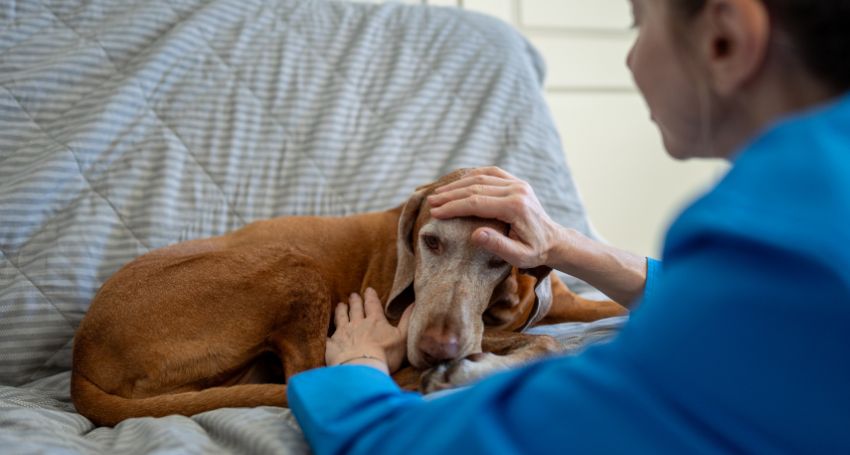
Recognizing dog dementia symptoms early can make a profound difference in your aging pet’s quality of life. As dogs live longer thanks to advancements in veterinary medicine, age-related cognitive decline has become increasingly common among senior canines. Formally known as canine cognitive dysfunction (CCD), this condition resembles Alzheimer’s disease in humans and affects memory, learning, and daily behavior.
Because early signs are often mistaken for normal aging, many dog owners delay seeking medical advice until the condition has significantly progressed. Understanding the dog dementia stages and identifying behavioral shifts early allows you to implement environmental changes and therapeutic support before severe decline sets in.
What Is Canine Cognitive Dysfunction?
Canine cognitive dysfunction is a neurodegenerative disorder characterized by a gradual decline in cognitive abilities. As dogs age, physical changes in brain tissue—such as micro-hemorrhages, reduced blood flow, and the accumulation of beta-amyloid plaques—disrupt normal brain signaling.
While occasional senior dog confusion can be a natural byproduct of aging, persistent cognitive impairment points toward CCD. The progression typically moves through mild, moderate, and severe stages, affecting orientation, social interactions, sleep patterns, and house training.
7 Early Warning Signs of Dog Dementia
If you suspect your senior companion is experiencing cognitive changes, pay close attention to these seven key behavioral shifts:
1. Spatial Disorientation and Confusion
One of the most characteristic signs of cognitive decline is a loss of spatial awareness. You might notice your dog getting stuck behind doors, staring blankly into corners, or standing on the hinge side of a door expecting it to open. A dog experiencing disorientation may also fail to recognize familiar surroundings or wander aimlessly through rooms they have navigated for years.
2. Disruption in Sleep-Wake Cycles
A major indicator of cognitive impairment is a reversal in normal sleep habits. Dogs with CCD often sleep deeply during the day but become restless after sunset. Dog dementia night pacing, vocalizing in the dark, and an inability to settle down during night hours are frequent causes of concern for owners.
3. Changes in Social Interactions
Cognitive decline can fundamentally alter how a dog relates to their family and other pets. Some dogs become unusually needy and clingy, following owners everywhere, while others become withdrawn and uncharacteristically distant. They may forget basic commands, ignore affectionate greetings, or respond irritability to touch.
4. Loss of House Training
A previously house-broken dog who suddenly starts having accidents inside the house may be experiencing cognitive decline. Before assuming it is a behavioral issue, observe whether the dog seems unaware that they are indoors or forgets to signal when they need to go outside. This frequently occurs because the dog loses the memory of where and when it is appropriate to eliminate.
5. Pacing, Wandering, and Repetitive Behaviors
Compulsive, repetitive actions are common throughout various dog dementia stages. A dog may pace back and forth along a specific pathway, walk in tight circles, or continuously lick objects or themselves. This purposeless activity often stems from anxiety and internal confusion.
6. Decreased Activity and Loss of Interest
As cognitive abilities decline, senior dogs often lose interest in activities they once loved. They may ignore favorite toys, decline invitations to go for walks, or pay little attention to family members coming home. This general apathy is frequently accompanied by reduced responsiveness to external stimuli.
7. Increased Anxiety and Unexplained Vocalization
Dogs suffering from memory loss often experience heightened anxiety, leading to unexplained whining, barking, or howling. This vocalization frequently intensifies during the evening or night hours when low lighting and reduced household activity exacerbate feelings of insecurity.
Understanding Dog Sundowning Symptoms
Similar to human dementia patients, dogs with cognitive decline often experience worsening behavioral issues during late afternoon and evening hours. Known as dog sundowning symptoms, this phase involves increased restlessness, agitation, pacing, and vocalization as natural light fades.
Sundowning is thought to be driven by a combination of sensory loss (impaired eyesight in dim light), physical fatigue, and disruption to the brain’s internal circadian clock. Managing lighting levels in your home, establishing consistent evening routines, and offering calm reassurances can help ease agitation during these transitional hours.
Diagnosing and Exploring Canine Dementia Treatment Options
While there is no single test to diagnose CCD, a veterinarian will perform a thorough physical exam, blood work, and behavioral assessment to rule out other medical issues such as arthritis, vision loss, kidney disease, or brain tumors.
Although CCD is a progressive disease, early intervention through comprehensive canine dementia treatment can slow its progression and alleviate symptoms:
- Medications: Prescription medications such as selegiline (Anipryl) can help regulate neurotransmitter balance in the brain, improving cognitive functioning and alertness.
- Dietary Therapy and Supplements: Diets rich in antioxidants, omega-3 fatty acids, MCT oil, and L-carnitine support brain health. Supplements containing S-adenosylmethionine (SAMe) or melatonin can also aid cognitive support and sleep regulation.
- Environmental Enrichment: Keeping a predictable daily routine minimizes confusion. Nightlights, non-slip rugs, and gentle mental exercises (like simple puzzle toys) help maintain spatial confidence without overwhelming your pet.
Frequently Asked Questions
How fast does dog dementia progress?
The progression rate varies significantly between individual dogs. Some pets show mild symptoms for several years, while others progress from moderate to severe stages within a few months. Early detection and targeted treatment can help slow down cognitive decline.
What is the average age dogs develop dementia symptoms?
Symptoms typically begin appearing in senior dogs around 10 to 12 years of age, though smaller breeds with longer lifespans may show signs slightly later. Studies show that a significant percentage of dogs over age 14 exhibit at least one sign of cognitive dysfunction.
How can I help my dog with dementia sleep at night?
Establishing a firm nighttime routine is key. Ensure your dog gets gentle physical exercise and mental engagement during daylight hours. In the evening, dim lights gradually, use white noise, provide orthopedic bedding, and speak with your vet about sleep-supporting supplements like melatonin or prescription calmative options.
Is dog dementia painful?
Canine cognitive dysfunction itself is not physically painful, but the resulting anxiety, confusion, and disorientation cause real distress. Additionally, senior dogs with dementia frequently suffer from concurrent painful conditions like osteoarthritis, which can aggravate nighttime restlessness and agitation.