
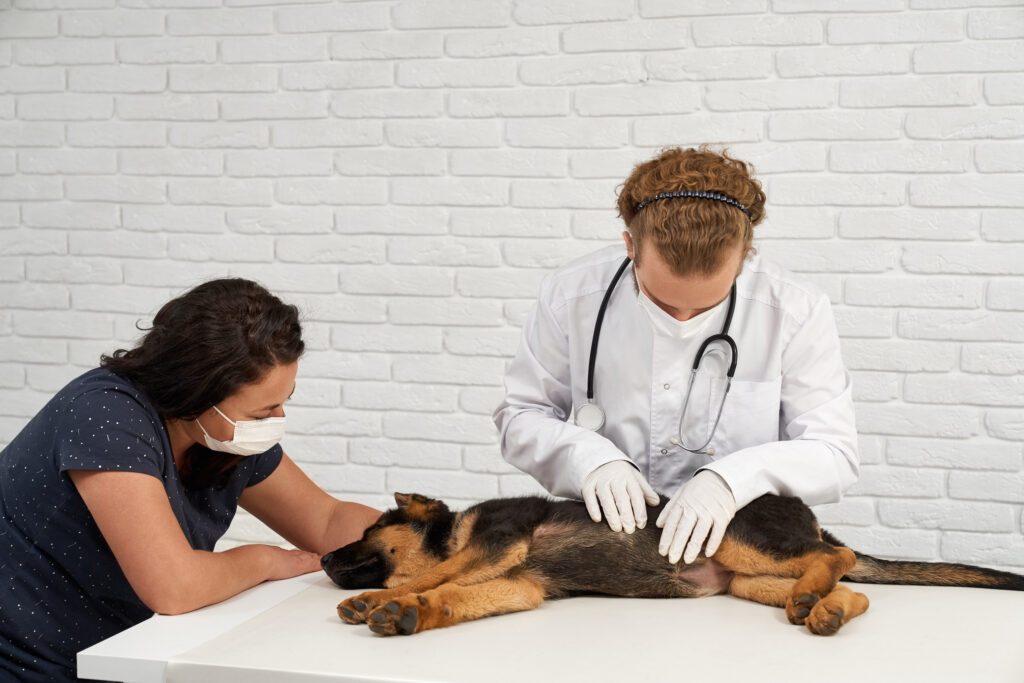
Spay and neuter recovery is an important part of your pet’s overall health journey. While spaying and neutering are common procedures performed every day, proper care after surgery helps ensure a smooth healing process and reduces the risk of complications. Whether you have a playful puppy, an energetic kitten, or an older pet, understanding what to expect during recovery can help you provide the best support at home.
For pet owners in Troy, Royal Oak, Warren, and nearby communities, knowing how to manage recovery after surgery can make the experience less stressful for both pets and their families.
What to Expect After Spay or Neuter Surgery
Most pets return home on the same day as their procedure. It is normal for dogs and cats to feel sleepy, less active, or slightly disoriented for the first 24 hours after surgery. Anesthesia can affect each pet differently, so some may recover quickly while others need a little more time.
During the first day, provide a quiet and comfortable space where your pet can rest without interruptions. Limit interactions with other pets and young children until your pet feels more comfortable.
A trusted veterinarian Troy MI can provide personalized instructions based on your pet’s age, breed, and medical history.
Essential Spay Recovery Tips
Following your veterinarian’s instructions is the most important part of successful healing. Here are several helpful spay recovery tips that can support a smooth recovery:
Limit Physical Activity
Running, jumping, rough play, and climbing stairs should be restricted for at least 10 to 14 days. Excessive movement can place stress on the incision site and increase the risk of complications.
Monitor the Incision Daily
Check the surgical site every day for signs of healing. Mild redness and slight swelling are often normal during the first few days. However, excessive swelling, discharge, bleeding, or an unpleasant odor should be reported to your veterinarian immediately.
Use the Recovery Collar
Many pets dislike wearing an e-collar or recovery cone, but it serves an important purpose. Licking or chewing the incision can introduce bacteria and delay healing. Keeping the collar on as instructed helps protect the surgical area.
Follow Medication Instructions
Pain management is an important part of spay aftercare. Give all prescribed medications exactly as directed. Never give human medications to pets unless specifically approved by your veterinarian.
Neuter Recovery Care for Male Pets
Although neutering is generally less invasive than spaying, proper neuter recovery care is still necessary. Male pets may feel ready to resume normal activities sooner, but owners should continue limiting exercise and monitoring the incision site.
Even if your pet appears fully recovered after a few days, internal healing is still taking place. Following your veterinarian’s recommended recovery timeline helps prevent setbacks and ensures complete healing.
Supporting Pet Surgery Recovery at Home
Successful pet surgery recovery often depends on creating a calm environment. Consider these helpful strategies:
- Provide a clean, comfortable bed.
- Keep food and water easily accessible.
- Prevent access to furniture that requires jumping.
- Take dogs on short leash walks only when approved.
- Keep cats indoors during the recovery period.
- Monitor appetite and bathroom habits.
Most pets begin showing signs of improvement within a few days. Gradually, their energy levels return, and they resume normal behaviors.
Warning Signs to Watch For
While complications are uncommon, pet owners should know when to seek veterinary attention. Contact your veterinarian if you notice:
- Persistent vomiting
- Refusal to eat for more than 24 hours
- Excessive swelling around the incision
- Bleeding or discharge from the surgical site
- Difficulty urinating
- Extreme lethargy lasting several days
- Opening of the incision
Prompt treatment can prevent minor issues from becoming more serious concerns.
Benefits of Spaying and Neutering
Beyond preventing unwanted litters, spaying and neutering provide several long-term health benefits.
For female pets, spaying reduces the risk of uterine infections and certain reproductive cancers. For male pets, neutering can decrease the likelihood of testicular cancer and some behavioral concerns.
Many pet owners find that these procedures contribute to a healthier and more comfortable life for their companions.
Choosing Veterinary Care for Recovery
Working with an experienced veterinary team helps ensure your pet receives quality care before, during, and after surgery. Pet owners throughout Troy, Royal Oak, Madison Heights, and Warren often rely on trusted veterinary professionals for guidance throughout the recovery process.
Whether you have questions about activity restrictions, medication schedules, or incision monitoring, professional support can provide peace of mind during recovery.
At Madison Veterinary Hospital, we are committed to helping pets recover safely and comfortably after surgical procedures. Our team works closely with families to ensure every pet receives the care and attention they need throughout the healing process.
FAQs
How long does spay and neuter recovery take?
Most pets recover within 10 to 14 days. However, complete internal healing may take several weeks depending on the procedure and the individual pet.
Can my dog walk after spay or neuter surgery?
Short, controlled leash walks are usually permitted after the first day, but strenuous activity should be avoided until your veterinarian approves normal exercise.
Is it normal for my pet to sleep more after surgery?
Yes. Anesthesia and pain medications can cause temporary drowsiness for the first 24 to 48 hours.
When can I remove my pet’s recovery cone?
The cone should remain on until the incision has healed and your veterinarian confirms it is safe to remove.
What should the incision look like during recovery?
A healthy incision should remain clean and dry with minimal redness or swelling. Any discharge, bleeding, or opening of the incision should be evaluated by a veterinarian.
When should I call my veterinarian after surgery?
Contact your veterinary team if your pet experiences vomiting, excessive swelling, bleeding, loss of appetite, difficulty urinating, or signs of severe pain.