
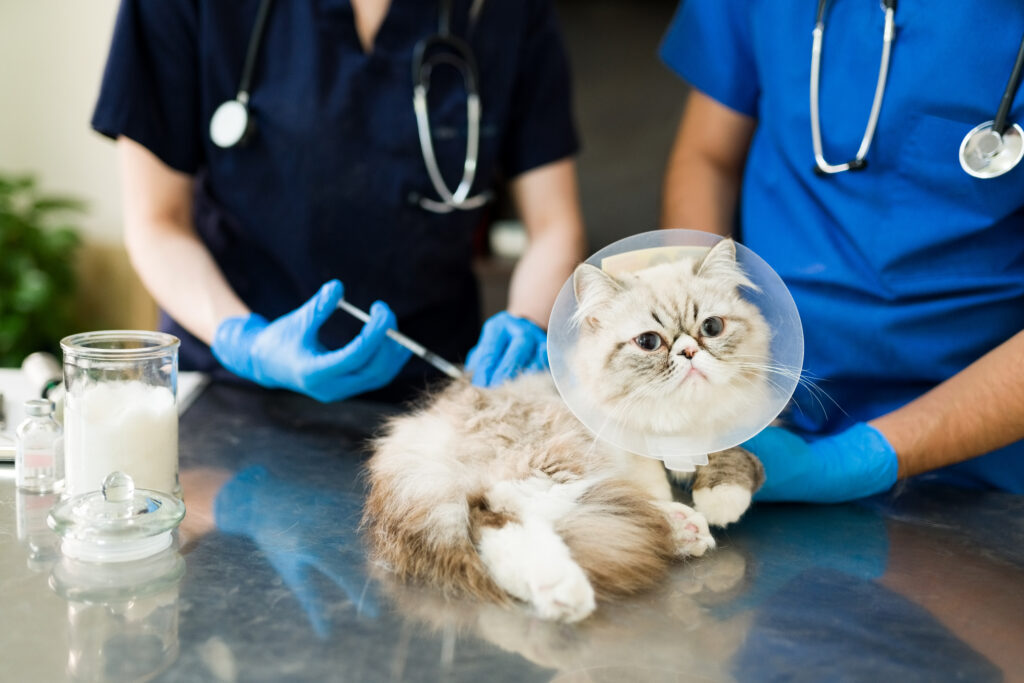
A cat vaccination schedule is one of the most important parts of keeping your cat healthy throughout its life. Vaccinations help protect cats from serious diseases, reduce the spread of infections, and support long-term wellness. Whether you recently adopted a kitten or want to ensure your adult cat stays protected, understanding the right vaccine timeline is essential.
For pet owners in Warren, Troy, and surrounding Michigan communities, staying current with recommended vaccinations can help prevent illnesses that are common among both indoor and outdoor cats.
Why Vaccinations Matter for Cats
Vaccinations prepare your cat’s immune system to recognize and fight specific diseases. Many illnesses that affect cats can be severe, expensive to treat, and sometimes life-threatening. Preventive care through routine vaccinations is far safer and more affordable than treating serious infections after they occur.
A veterinarian can recommend the appropriate vaccines based on your cat’s age, lifestyle, health status, and exposure risk.
Understanding the Kitten Vaccination Schedule
A proper kitten vaccination schedule begins when kittens are around six to eight weeks old. Young kittens receive some protection from their mother’s antibodies, but that protection gradually fades, making vaccinations necessary.
A typical schedule includes:
6–8 Weeks
- First FVRCP vaccine
- Initial wellness examination
10–12 Weeks
- Second FVRCP booster
- Discussion of lifestyle risks and future vaccine needs
14–16 Weeks
- Final FVRCP booster
- Rabies vaccination
One Year Later
- Booster vaccines as recommended by your veterinarian
Following the recommended schedule helps ensure your kitten develops strong immunity during the most vulnerable stage of life.
Core Cat Vaccines Every Cat Should Receive
Several cat vaccines are considered core vaccines because they protect against diseases that are widespread and potentially severe.
FVRCP Vaccine
This combination vaccine protects against:
- Feline Viral Rhinotracheitis
- Calicivirus
- Panleukopenia
These diseases can spread quickly among cats and may cause severe respiratory illness or other complications.
Rabies Vaccine
Rabies vaccination is required by law in many areas and protects both pets and humans from a fatal disease.
Your veterinarian may also recommend non-core vaccines depending on your cat’s lifestyle and exposure risks.
Additional Feline Vaccinations
Not every cat requires the same vaccination plan. Some feline vaccinations are recommended based on specific risk factors.
For example, cats that spend time outdoors or interact with unfamiliar cats may benefit from additional protection against diseases such as Feline Leukemia Virus (FeLV).
Your veterinarian can assess your cat’s environment and determine which vaccines are appropriate.
What to Expect After Vaccination
Most cats experience little to no discomfort after receiving vaccines. Mild reactions may include:
- Temporary tiredness
- Reduced activity
- Mild soreness at the injection site
- Slight decrease in appetite
These effects usually resolve within a day or two.
Severe reactions are rare but should be reported to your veterinarian immediately if you notice facial swelling, difficulty breathing, or persistent vomiting.
Importance of Wellness Exams Alongside Vaccinations
Vaccinations work best when combined with routine wellness care. During annual exams, your veterinarian can:
- Review vaccination status
- Monitor weight and nutrition
- Check dental health
- Detect early signs of illness
- Discuss parasite prevention
These visits help identify health concerns before they become more serious.
How Indoor Cats Benefit from Vaccines
Many cat owners assume indoor cats do not need vaccinations. However, indoor cats can still be exposed to infectious diseases through visitors, other pets, or accidental escapes.
Routine vaccinations remain an important part of preventive healthcare for both indoor and outdoor cats.
Working With a Local Veterinary Team
Choosing a trusted veterinarian Warren MI pet owners rely on can make it easier to stay on schedule with preventive care. Regular visits help ensure your cat receives timely boosters and personalized healthcare recommendations.
Likewise, pet owners searching for a reliable vet Troy MI can benefit from establishing a long-term relationship with a veterinary team that understands their pet’s medical history and changing needs throughout life.
Keeping Your Cat Protected for Years to Come
Vaccinations remain one of the most effective ways to protect cats from preventable diseases. Following the recommended vaccination timeline, scheduling routine wellness exams, and staying current with boosters can help your cat enjoy a longer and healthier life.
Whether you have a new kitten receiving its first kitten shots or an adult cat due for annual boosters, proactive preventive care is one of the best investments you can make in your pet’s health.
Frequently Asked Questions
How often should cats receive vaccinations?
Most kittens require multiple vaccines during their first few months. Adult cats typically need booster vaccines every one to three years depending on the vaccine type and your veterinarian’s recommendations.
At what age should kittens get their first shots?
Most kittens receive their first vaccinations between six and eight weeks of age.
Do indoor cats need vaccines?
Yes. Indoor cats can still be exposed to diseases and should remain current on recommended vaccinations.
What vaccines are considered core for cats?
Core vaccines generally include the FVRCP vaccine and rabies vaccine.
Are vaccines safe for kittens?
Yes. Vaccines are extensively tested and are considered safe for healthy kittens when administered according to veterinary guidelines.
What happens if my cat misses a vaccine booster?
If a booster is missed, contact your veterinarian. They can determine whether your cat needs an additional vaccine or an adjusted schedule to regain protection.