
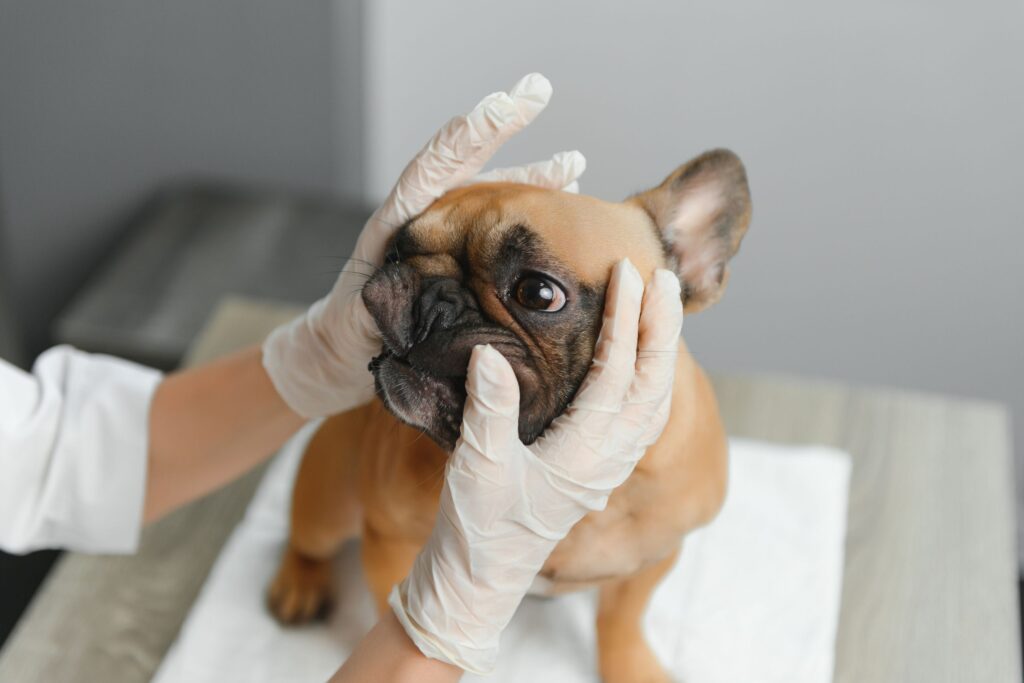
Pets can’t tell you when something hurts, but their eyes often speak for them. A little redness, some extra blinking, or a slightly cloudy look can seem harmless at first glance. In reality, these small changes are sometimes the earliest warning signs of conditions that can escalate within hours if left unchecked. Knowing what to watch for — and when to act — can be the difference between a quick, simple treatment and a painful, vision-threatening emergency.
At Madison Vet Hospital, we see pet owners every week who wish they had called sooner. Below are five signs that mean it’s time to schedule an exam, not wait it out.
1. Redness or Irritation Around the Eye
Redness in or around your pet’s eye is one of the most common — and most overlooked — warning signs. It can point to something as mild as an allergy or as serious as glaucoma or uveitis. Because so many different conditions share this same symptom, redness on its own isn’t something to diagnose at home. If it doesn’t clear up within a day, or if it’s paired with swelling or discharge, it’s time for a professional look.
2. Squinting or Excessive Blinking
Squinting, holding one eye shut, or blinking more than usual is often a direct sign of pain. This is especially true with corneal ulcers, which are wounds on the eye’s clear outer surface. These injuries can deepen quickly, so same-day evaluation genuinely matters. Dogs and cats with prominent eyes — Pugs, Bulldogs, Boston Terriers, Shih Tzus, Persians, and Himalayans among them — tend to be more prone to this kind of injury and deserve extra vigilance.
3. Unusual Discharge
A little morning “sleep” in the corner of the eye is normal. Watery, yellow, green, or thick discharge is not. This kind of discharge often signals infection, conjunctivitis, or dry eye (keratoconjunctivitis sicca), where the tear glands stop producing enough tear film to protect the cornea. Left untreated, these conditions can lead to chronic irritation and repeated infections, so ongoing management is usually part of the plan rather than a one-time fix.
4. Cloudiness or a Change in Eye Appearance
A hazy or cloudy look to the eye can mean different things depending on the pet and the pattern. In older dogs, a bluish-gray haze is sometimes just a normal aging change called nuclear sclerosis and doesn’t significantly affect vision. True cataracts, on the other hand, create a white or opaque cloudiness that can progressively affect sight. Corneal cloudiness can also indicate injury, infection, or elevated eye pressure from glaucoma. Because these causes look similar to an untrained eye, a proper exam is the only reliable way to tell them apart.
5. Pawing at the Eye or Behavioral Changes
If your pet is pawing at their eye, rubbing their face against furniture, or seems to be bumping into things or hesitating in familiar rooms, take it seriously. These behaviors often point to discomfort or vision changes that your pet is trying to manage on their own. Sudden light sensitivity, a visibly enlarged eye, or one eye that looks different in size from the other can also indicate an emergency situation like acute glaucoma, which can cause permanent vision loss within hours.
Why Timing Makes All the Difference
Across nearly every eye condition, the story is the same: problems caught early are simpler, less painful, and less expensive to treat than problems left to progress. A corneal ulcer treated the same day it’s noticed almost always heals faster and more predictably than one left untreated for even a few days. That’s true for conjunctivitis, dry eye, entropion, cherry eye, and glaucoma alike.
It’s also worth remembering that indoor pets aren’t exempt. Conditions like dry eye, uveitis, and herpesvirus-related conjunctivitis in cats can affect animals that never step outside, which is why eye health should be checked at every wellness visit, regardless of lifestyle.
What to Avoid Doing at Home
It can be tempting to reach for a home remedy or a leftover bottle of eye drops, but this is one area where “wait and see” or DIY treatment can backfire. Many human eye medications aren’t safe for pets, and some — particularly those containing steroids — can actually worsen conditions like corneal ulcers. If your pet’s eye looks irritated, the safest first step is always a call to your veterinarian, not a home remedy.
Our team at Madison Vet Hospital diagnoses and treats the full range of eye conditions in dogs and cats, from everyday infections to more complex issues that require specialist input. You can learn more about the conditions we treat, our diagnostic process, and when a referral to a veterinary ophthalmologist might be recommended on our Eye Care for Dogs and Cats service page.
If you’ve noticed any of these signs in your pet, don’t wait for them to get worse. Contact Madison Vet Hospital today to schedule an eye exam and give your pet’s vision the attention it deserves.
Frequently Asked Questions
My pet is squinting but otherwise seems fine. Should I still call?
Yes. Squinting is often a sign of pain, even when a pet is otherwise acting normal. It’s best to have it checked rather than wait to see if it resolves on its own.
Are some breeds more likely to develop eye problems?
Yes. Breeds with prominent eyes or distinctive facial structure, such as Pugs, Bulldogs, Shih Tzus, Chow Chows, Persians, and Himalayans, are more prone to certain eye conditions and benefit from closer monitoring.
Can allergies cause eye redness in pets?
Yes, allergies are one possible cause of redness and irritation. However, since infections and more serious conditions can look similar, it’s best to have persistent redness evaluated by a veterinarian.
Is eye cloudiness always a sign of cataracts?
Not always. Some cloudiness is a normal part of aging, while other cases can indicate cataracts, corneal disease, or elevated eye pressure. An exam is the only way to know for certain.
How often should my pet’s eyes be checked?
Eye health should be part of every wellness exam, even for pets that stay indoors and show no obvious symptoms. Regular checks help catch subtle changes early.