
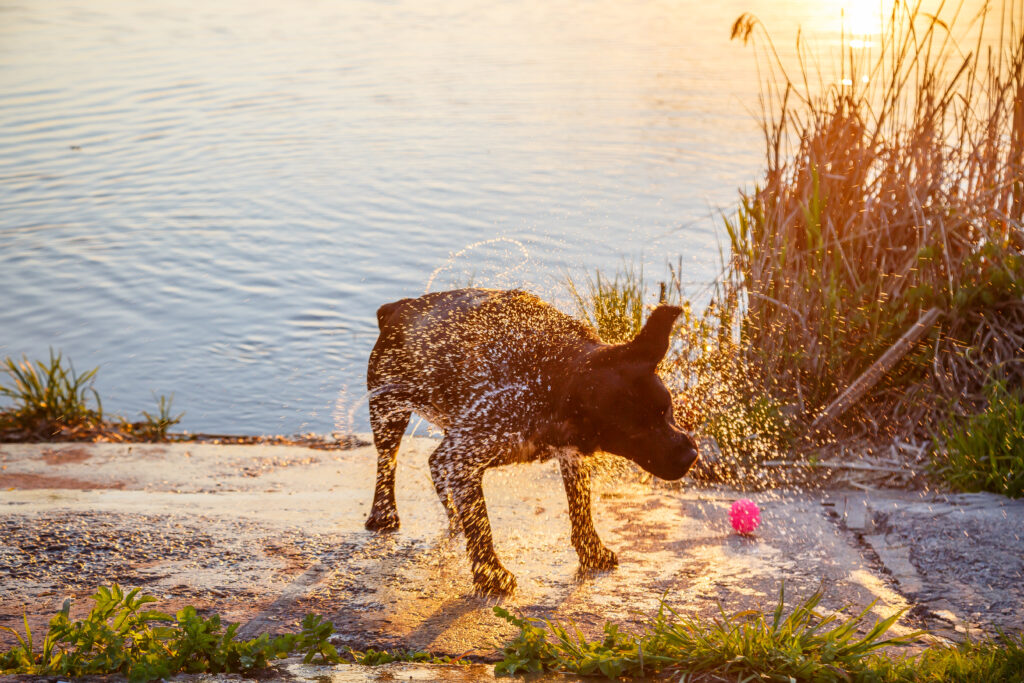
Recognizing dog symptoms of heat exhaustion early can mean the difference between a quick recovery and a life-threatening medical emergency. As temperatures rise during hot summer months, our four-legged companions face a much higher risk of overheating than we do. Dogs do not sweat through their skin the way humans do; instead, they rely primarily on panting and releasing small amounts of heat through their paw pads to regulate body temperature. When environmental heat and humidity overpower a dog’s natural cooling mechanisms, body temperature spikes rapidly, leading to severe physical distress.
Understanding how to spot overheating early, knowing the immediate steps for relief, and taking preventative action will keep your pet safe, happy, and healthy all season long.
Recognizing Early Canine Heat Exhaustion Signs
Heat exhaustion develops progressively, starting with mild signs that can quickly escalate if unaddressed. Spotting canine heat exhaustion signs in the opening stages allows you to intervene before internal organ damage occurs.
The first indication of overheating in dogs is usually heavy, persistent panting that does not subside after a short rest in the shade. While panting is normal after exercise, heat-stressed panting is excessively fast, raspy, or heavy. You may also notice your dog producing thick, sticky saliva instead of normal, watery drool.
Another subtle early sign is behavior changes. A dog suffering from mild heat stress often appears sluggish, uncharacteristically slow, or reluctant to walk. They may seek out cool surfaces, such as tiled floors or shaded patches of grass, and lie down repeatedly. Their gums and tongue may look brighter red than usual as blood rushes to the surface of the mouth to dissipate heat. Catching heat exhaustion at this stage allows you to cool your dog down quickly and avoid severe complications.
Escalation: Severe Dog Heat Stroke Symptoms
If early warning signs are ignored or missed, heat exhaustion quickly progresses into heat stroke, a condition characterized by a high body temperature (typically above 103°F or 39.4°C, with extreme danger occurring above 105°F or 40.5°C). Knowing dog heat stroke symptoms is crucial for every pet parent because advanced heat stroke requires immediate veterinary medical intervention.
As heat stroke takes hold, a dog’s physical state deteriorates rapidly. Gums may shift from bright red to pale, blue, gray, or purple, indicating poor oxygen circulation and impending shock. The dog’s heart rate will spike significantly, and their eyes may look glazed or wide with distress.
Advanced neurological and digestive symptoms soon follow. An overheated dog may experience severe weakness, loss of coordination, dizziness, or complete collapse. Vomiting and diarrhea—often containing blood—are common signs that internal organs are suffering from heat-induced distress. In extreme cases, heat stroke causes muscle tremors, seizures, unresponsiveness, or loss of consciousness.
Emergency Care and Cooling Down an Overheated Dog
If you suspect your dog is suffering from heat stress, immediate action is essential. Prompt emergency care for dog heat exhaustion can stabilize your pet’s condition while you arrange transport to a veterinary hospital.
The single most critical rule when cooling down an overheated dog is to bring down their temperature gradually. Never use ice water, ice baths, or freezing towels. Extremely cold water causes the blood vessels near the surface of the skin to constrict, which actually traps heat inside the body’s core. Cold shocks can also trigger dangerous shivering, which raises core body temperature even higher.
Start by moving your dog into an air-conditioned room or a deeply shaded, well-ventilated area. Apply lukewarm or cool (not cold) water to their body, focusing on the belly, inner thighs, armpits, and paw pads. You can use damp towels soaked in cool water, but avoid leaving heavy wet towels draped over the dog for long periods, as they can trap heat against the fur. Placing a fan nearby to gently blow air across their wet coat speeds up cooling through evaporation.
Offer small amounts of cool, fresh water to drink, but never force water into their mouth, especially if they are disoriented or lethargic. Once you have initiated these cooling measures, contact your veterinarian or an emergency animal clinic right away, even if your dog appears to be recovering. Internal organ damage from heat stress can develop hours after the initial episode.
Essential Dog Summer Safety Tips
Preventing heat-related illness is always easier than treating it. Integrating smart dog summer safety tips into your daily routine helps keep your pet safe during warm weather.
- Never leave your dog in a parked car. Even with windows cracked, interior vehicle temperatures can soar past 100°F in under ten minutes on an 80°F day.
- Adjust your walk schedule. Exercise your dog during the coolest parts of the day, such as early morning or late evening, to avoid peak sun exposure and scorching pavement.
- Test the pavement temperature. Place the back of your hand against the asphalt for seven seconds. If it feels too hot for your skin, it is too hot for your dog’s sensitive paw pads.
- Provide continuous shade and fresh water. When spending time outdoors, ensure your dog always has unrestricted access to clean drinking water and a shaded, breezy shelter.
- Know your dog’s individual risk factors. Brachycephalic (flat-faced) breeds like Bulldogs and Pugs, senior dogs, overweight dogs, and dogs with thick coats are far more vulnerable to heat exhaustion and require extra caution.
Frequently Asked Questions
How long does it take for a dog to recover from heat exhaustion?
Mild heat exhaustion can resolve within 30 to 60 minutes once the dog is moved to a cool environment and provided with hydration. However, moderate to severe cases requiring veterinary care may take several days of treatment and monitoring to ensure no lasting organ damage has occurred.
What temperature is considered a fever or overheating in dogs?
A dog’s normal rectal temperature ranges from 101°F to 102.5°F (38.3°C to 39.2°C). A body temperature of 103°F (39.4°C) or higher indicates abnormal elevation or heat exhaustion, while a temperature reaching 105°F (40.5°C) or higher signals severe heat stroke requiring immediate emergency veterinary attention.
Can I put my dog in a cold bath if they are overheating?
No, you should never place an overheated dog in a cold or icy bath. Rapid cooling with ice water causes surface blood vessels to constrict, trapping heat inside the body core and increasing the risk of hypothermic shock or dangerous shivering. Always use cool or lukewarm water instead.
Which dog breeds are most prone to heat exhaustion?
Flat-faced (brachycephalic) breeds such as French Bulldogs, English Bulldogs, Pugs, and Boxers are at the highest risk because their shortened airways make efficient panting difficult. Heavy-coated breeds, working breeds, senior dogs, and dogs with preexisting heart or respiratory conditions also overheat much faster.