
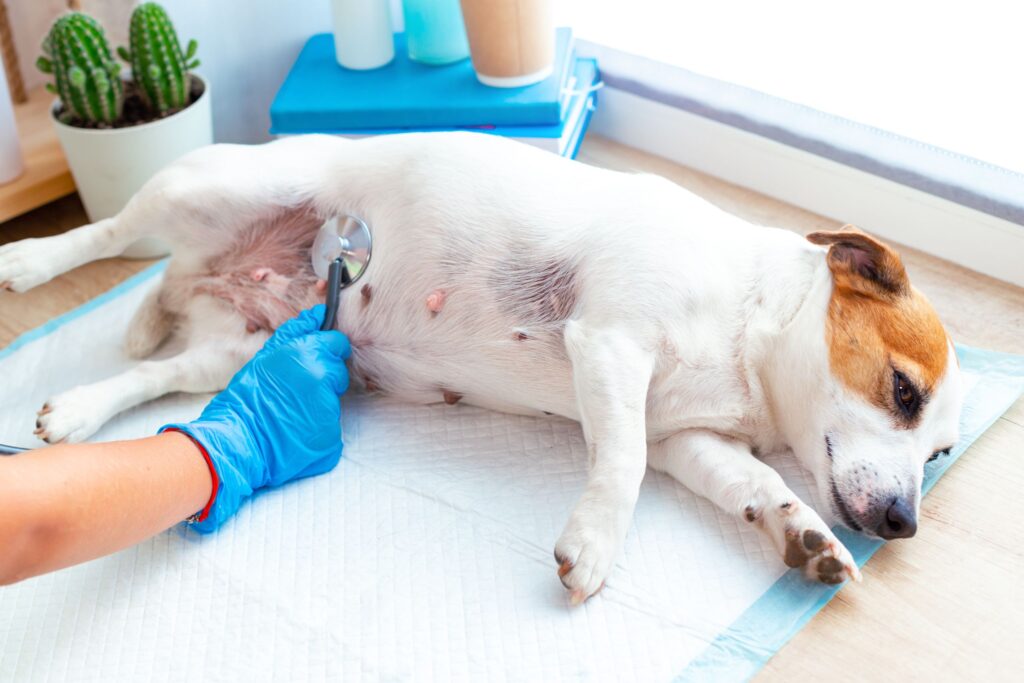
Worms in dogs are common parasites, but they do not all affect dogs in the same way. Some live in the intestinal tract and cause digestive problems, while others damage the heart, lungs, or blood vessels. A dog may have a worm infection without showing obvious symptoms, so relying on appearance alone can allow a problem to go undetected.
Knowing the major worm types and their possible warning signs can help you respond appropriately. At Madison Veterinary Hospital, parasite screening and prevention are considered important parts of routine canine healthcare because early detection can protect both your dog and your household.
What Are the Main Types of Worms in Dogs?
The most common types of worms in dogs include roundworms, hookworms, tapeworms, whipworms, and heartworms. Each has a different life cycle, transmission route, and effect on the body.
Roundworms
Roundworms are intestinal parasites commonly found in puppies. Dogs may acquire them from contaminated soil, infected prey, or their mother before birth or while nursing. A significant infection can contribute to poor growth, digestive symptoms, and a potbellied appearance.
Hookworms
Hookworms attach to the intestinal lining and feed on blood. Dogs can become infected by swallowing larvae, through skin penetration, or, in some cases, while nursing. Because hookworms can cause blood loss, puppies and heavily infected dogs may develop weakness, pale gums, or anemia.
Tapeworms
Tapeworms have flat, segmented bodies. Dogs commonly acquire one type by swallowing an infected flea during grooming. Other tapeworm species can spread when a dog eats infected prey. Small segments may appear near the dog’s rear, on bedding, or in fresh stool.
Whipworms
Whipworms live in the large intestine. Dogs become infected after swallowing mature eggs from contaminated soil or surfaces. Whipworm infections may cause recurring diarrhea, weight loss, or blood and mucus in the stool.
Heartworms
Heartworms are spread through mosquito bites rather than contaminated feces. Adult worms live in the heart and nearby blood vessels, where they can cause serious and potentially fatal disease. Heartworm infection is different from intestinal worm infections and requires specific testing and treatment.
Despite its name, ringworm is not a worm. It is a contagious fungal skin infection and requires a different approach to diagnosis and care.
What Are the Signs of Worms in Dogs?
The signs of worms in dogs depend on the parasite involved and the severity of infection. Some dogs show no outward changes, particularly during the early stages.
Possible symptoms of worms in dogs include:
- Diarrhea or soft stool
- Vomiting
- Unexplained weight loss
- Poor growth in puppies
- A swollen or potbellied abdomen
- A dull coat
- Reduced energy
- Changes in appetite
- Scooting or irritation around the rear
- Pale gums
- Coughing or difficulty exercising
- Blood or mucus in the stool
- Visible worms or segments
These symptoms are not enough to identify a particular worm. Many digestive and respiratory conditions produce similar signs, making veterinary testing essential.
Seek prompt veterinary attention if your dog has pale gums, repeated vomiting, bloody or black stool, breathing difficulty, collapse, severe weakness, or a swollen abdomen accompanied by discomfort.
If your dog shows possible parasite symptoms, schedule an examination with Madison Veterinary Hospital for accurate testing and personalized care.
What Do Worms Look Like in Dog Poop?
Owners asking what worms look like in dog poop should know that many infections cannot be identified by sight.
Roundworms may resemble pale strands of cooked spaghetti. Tapeworm segments often look like small grains of white rice and may move when fresh. Hookworm and whipworm eggs are microscopic, and adult worms are rarely noticed in stool. Heartworms do not appear in dog poop because they live in the cardiovascular system.
Seeing a suspected worm can provide a helpful clue, but appearance alone is not a reliable diagnosis. Take a clear photograph or safely place the specimen in a sealed container. Wash your hands afterward and contact your veterinarian for guidance.
How Do Dogs Get Worms?
Understanding how dogs get worms helps explain why both indoor and outdoor pets require parasite protection. Dogs may become infected by:
- Swallowing eggs or larvae from contaminated soil
- Licking contaminated paws or objects
- Eating rodents, wildlife, or raw animal tissue
- Swallowing infected fleas
- Receiving larvae from their mother
- Experiencing skin penetration by certain hookworm larvae
- Being bitten by an infected mosquito
Dog parks, shared yards, walking trails, kennels, and areas visited by wildlife can all create opportunities for exposure. Even a well-maintained yard cannot guarantee complete protection.
How Are Worm Infections Diagnosed?
The diagnostic method depends on the suspected parasite. A fecal examination may identify intestinal parasite eggs or other evidence of infection. Because parasites may not shed eggs continuously, repeat or additional testing may sometimes be needed.
Heartworm infection requires a blood test. A routine fecal examination does not replace heartworm screening.
When visiting Madison Veterinary Hospital, bring a fresh stool sample if requested and share details about your dog’s travel, prevention history, hunting behavior, flea exposure, and recent symptoms. This information helps the veterinary team choose the appropriate tests.
How to Treat Worms in Dogs Safely
If you are searching for how to treat worms in dogs, the first step is identifying the parasite. There is no single treatment that is appropriate for every type of worm.
A veterinarian will select medication based on the parasite, the dog’s age and weight, the severity of infection, and any other health concerns. Some intestinal infections require repeated treatment because medication may not eliminate every life stage at once. Follow-up testing may be recommended to confirm that the infection has cleared.
Heartworm treatment is more complex and must be carefully managed by a veterinarian. It should never be approached as routine at-home deworming.
Avoid using leftover medication or products intended for another animal. An incorrect product or dose may fail to treat the infection and could place your dog at risk.
How to Prevent Worms in Dogs
Owners wondering how to prevent worms in their dog companions should use a combination of veterinary protection and everyday hygiene.
Helpful preventive steps include:
- Using veterinarian-recommended parasite protection year-round
- Completing regular fecal and heartworm testing
- Picking up dog waste promptly
- Maintaining effective flea control
- Preventing dogs from eating wildlife or animal remains
- Keeping food and water dishes clean
- Following a veterinarian-approved puppy deworming schedule
- Reducing mosquito exposure when possible
- Washing hands after handling dog waste
Prevention should be personalized. A puppy, a hunting dog, and a mostly indoor senior dog may have different exposure risks, but all can benefit from consistent parasite control.
Contact Madison Veterinary Hospital to build a year-round parasite prevention plan suited to your dog’s age, lifestyle, and risk factors.
Frequently Asked Questions
Can a dog have worms without showing symptoms?
Yes. Many dogs with mild or early infections appear healthy. Routine parasite testing can detect infections before obvious symptoms develop.
Are all worms visible in dog poop?
No. Roundworms and tapeworm segments may sometimes be visible, but hookworm and whipworm eggs require microscopic testing. Heartworms do not appear in stool.
Can people get worms from dogs?
Some canine intestinal parasites can affect people. Prompt waste removal, handwashing, veterinary treatment, and regular parasite prevention help reduce exposure.
Does deworming prevent every type of worm?
Not necessarily. Different products protect against different parasites. Your veterinarian can recommend coverage based on your dog’s risks.
How often should a dog be tested for worms?
Testing frequency depends on age, lifestyle, previous infections, geographic risk, and current prevention. Your veterinarian can recommend an appropriate schedule.