
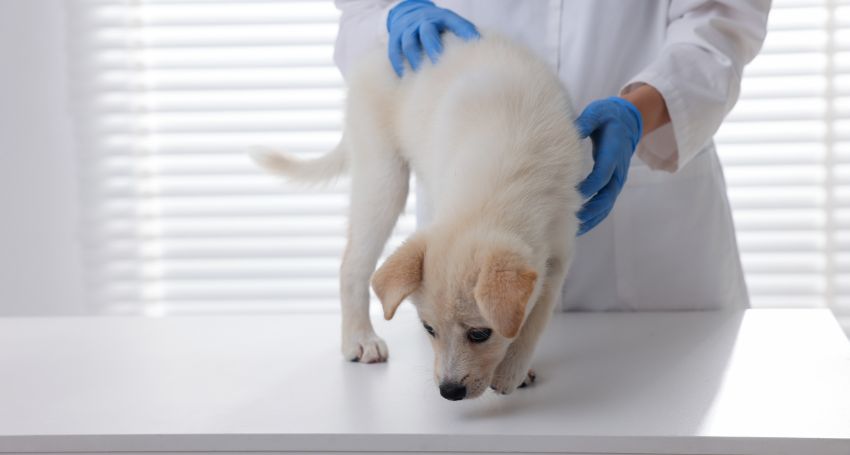
When to take a dog to the vet for vomiting is one of the most critical questions every dog owner eventually faces. Dogs are notorious for eating things they shouldn’t, from counter-surfed snacks to stray socks, and a single bout of stomach upset isn’t always a cause for panic. However, knowing when dog vomiting is serious versus a mild, temporary reaction can make all the difference in protecting your pet’s long-term health.
While an occasional upset stomach can resolve on its own with brief rest and fluid monitoring, persistent or intense vomiting can quickly lead to severe dehydration, electrolyte imbalances, or indicate a life-threatening internal issue. Understanding the triggers, underlying canine vomiting causes, and key warning signs will help you act with confidence when your dog feels unwell.
Normal Stomach Upset vs. Dog Throwing Up Emergency
Not every episode of throwing up requires an immediate midnight trip to the emergency animal hospital. Distinguishing between a harmless dietary indiscretion and a true dog throwing up emergency comes down to frequency, accompanying symptoms, and your dog’s overall behavior.
Mild vs. Severe Symptoms
- Mild Stomach Upset: Your dog vomits once or twice over 24 hours but remains alert, responsive, and eager to drink water. Their energy levels are relatively normal, and they do not show signs of physical pain or distress.
- Emergency Red Flags: Your dog vomits repeatedly over a short period, appears excessively lethargic, collapses, or exhibits unproductive retching (trying to throw up without producing anything). Unproductive retching is a classic sign of Gastric Dilation-Volvulus (GDV) or “bloat,” a rapid, life-threatening condition requiring immediate emergency surgery.
Red Flag Symptoms Requiring Immediate Care
Seek immediate veterinary intervention if you observe any of the following critical indicators:
- Inability to keep water down for more than 12 to 24 hours
- Lethargy, weakness, unresponsive behavior, or collapse
- Pale, white, or blue gums
- Bloated, rigid, or painful abdomen when touched
- Ingestion of known toxins, chemicals, foreign objects, or human medications
- Blood in the vomit (bright red or dark, coffee-ground material)
- Vomiting accompanied by severe, bloody diarrhea
Common Canine Vomiting Causes
Understanding why dogs throw up can help you determine the urgency of the situation. The range of canine vomiting causes spans from simple dietary mistakes to severe systemic diseases.
- Dietary Indiscretion: Often called “garbage gut,” this occurs when a dog eats spoiled food, trash, table scraps, or non-food items.
- Toxin or Foreign Object Ingestion: Plants, household cleaning supplies, chocolates, or swallowed toys can cause poisoning or physical intestinal blockages.
- Infections and Parasites: Viral infections (such as parvovirus or coronavirus), bacterial overgrowth, or intestinal parasites like roundworms can cause severe gastrointestinal distress.
- Pancreatitis: Inflammation of the pancreas, frequently triggered by high-fat foods, leads to acute, painful vomiting and abdominal pain.
- Chronic Illnesses: Kidneys, liver disease, diabetes, and inflammatory bowel disease (IBD) can present with recurring stomach upset.
Decoding Vomit Color and Texture
The appearance of your dog’s vomit offers vital clues about what is happening inside their digestive tract. Paying attention to color and consistency helps your veterinarian diagnose the root problem faster.
- Dog Throwing Up Yellow Bile: Bright yellow or greenish liquid usually indicates bile, a digestive fluid produced by the liver and stored in the gallbladder. Seeing bile often means your dog’s stomach is empty. This frequently happens in the early morning if a dog goes too long between meals (bilious vomiting syndrome), but it can also signal systemic illness if repeated.
- White Foam: Foamy white liquid can be caused by excessive saliva production during nausea, acid buildup, or coughing/retching associated with upper respiratory issues or bloat.
- Clear Liquid: Often occurs when a dog drinks large amounts of water too quickly while already nauseous.
- Bright Red Blood or Dark Granules: Bright red streaks suggest bleeding in the mouth, esophagus, or stomach lining. Dark, clumpy specks that look like coffee grounds indicate digested blood from lower in the gastrointestinal tract and represent a medical emergency.
- Uncut Food: Regurgitating undigested food shortly after eating often points to eating too fast, esophageal issues, or mild gastritis rather than deep stomach distress.
Home Care and Dog Stomach Upset Treatment
For mild, single-episode cases where your dog is otherwise energetic and alert, basic dog stomach upset treatment at home can help soothe their system. Always consult your vet before administering any home care.
- Short Fasting Period: Rest the stomach by withholding food for 6 to 12 hours (never withhold food from young puppies or tiny breeds without vet guidance).
- Hydration Control: Provide small amounts of water or ice cubes frequently rather than letting your dog gulp a large bowl of water at once, which can trigger more vomiting.
- Bland Diet Transition: Once vomiting stops for several hours, introduce a gentle, highly digestible diet such as boiled white-meat chicken (boneless, skinless, unseasoned) mixed with plain white rice in small, frequent portions.
- Gradual Return to Normal Food: Slowly transition back to regular dog food over 3 to 5 days once stools normalize and vomiting ceases.
Never administer human medications (such as Pepto-Bismol, Imodium, or aspirin) without explicit instructions from a licensed veterinarian, as many can be toxic to dogs.
Frequently Asked Questions
When should I worry about my dog vomiting?
You should worry about dog vomiting when indicators appear: if the vomiting occurs more than twice in 24 hours, continues for more than a day, or is accompanied by lethargy, diarrhea, fever, or pain. Any instance where your dog attempts to vomit repeatedly but produces nothing is an immediate emergency.
What can I give my dog for an upset stomach?
For mild cases, offer small amounts of water or ice cubes to prevent dehydration. Once vomiting subsides, a bland diet of plain boiled chicken and white rice in small portions is recommended. Do not give over-the-counter human medications unless directly prescribed by your veterinarian.
Why is my dog throwing up yellow bile in the morning?
Vomiting yellow bile typically happens when a dog’s stomach has been empty for an extended period, allowing digestive bile to irritate the stomach lining. Feeding a small, light snack right before bedtime or splitting daily meals into smaller, more frequent portions often resolves this issue.
Can stress cause a dog to throw up?
Yes, acute stress, severe anxiety, or drastic changes in environment can trigger stomach upset and vomiting in dogs. However, you should still monitor them closely to rule out underlying physical causes or toxic exposure.