
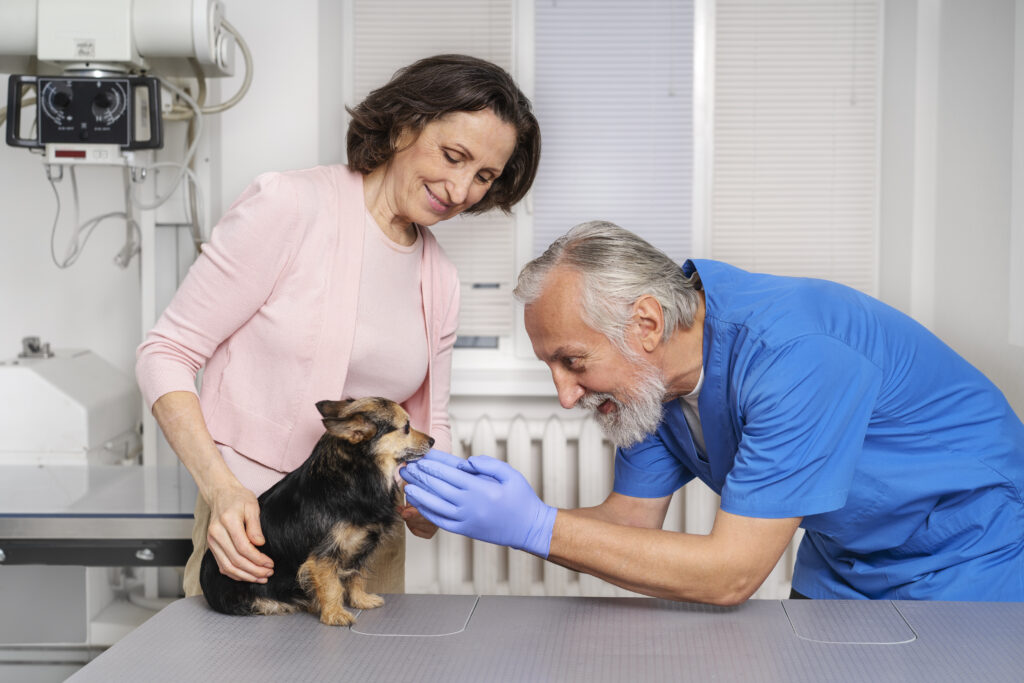
Dog dental cleaning is one of the most important steps pet owners can take to protect their pet’s overall health. While many people focus on vaccinations, nutrition, and exercise, dental health is often overlooked until a problem develops. Unfortunately, poor oral hygiene can lead to pain, infection, tooth loss, and even serious health complications affecting the heart, liver, and kidneys.
For pet owners in Troy, Royal Oak, and surrounding communities, understanding the importance of regular dental care can help pets live longer, healthier, and more comfortable lives.
Why Dental Health Matters for Dogs
Just like humans, dogs naturally develop plaque and tartar on their teeth over time. If not removed, these deposits can irritate the gums and create an environment where harmful bacteria thrive.
As tartar builds up, it can lead to dog dental disease, one of the most common health conditions seen by veterinarians. Many dogs begin showing signs of dental issues by the age of three, even when they appear healthy on the surface.
Without treatment, dental disease can cause:
- Bad breath
- Inflamed or bleeding gums
- Loose or damaged teeth
- Pain while eating
- Oral infections
- Tooth loss
- Systemic health complications
Regular dental care helps prevent these problems before they become serious.
Signs Your Dog May Need Dental Care
Many pets are skilled at hiding discomfort, making it difficult for owners to recognize dental issues early.
Watch for these common warning signs:
- Persistent bad breath
- Yellow or brown tartar buildup
- Red or swollen gums
- Difficulty chewing food
- Dropping food while eating
- Excessive drooling
- Pawing at the mouth
- Reduced appetite
- Loose or missing teeth
If you notice any of these symptoms, scheduling an examination with a veterinarian Royal Oak MI area pet owners trust can help identify the cause and determine the best treatment plan.
What Happens During Professional Dog Dental Cleaning?
Professional dog teeth cleaning is much more thorough than brushing at home. Veterinary dental procedures are designed to remove plaque and tartar both above and below the gumline, where harmful bacteria often hide.
A typical dental procedure includes:
Comprehensive Oral Examination
The veterinarian examines the teeth, gums, tongue, and oral tissues for signs of disease or injury.
Dental Scaling
Specialized instruments remove plaque and tartar from the tooth surfaces and beneath the gumline.
Dental Polishing
After scaling, the teeth are polished to smooth the surface and reduce future plaque buildup.
Dental X-Rays
Many dental issues occur below the gumline where they cannot be seen during a visual examination. X-rays help identify hidden infections, fractures, or damaged roots.
Treatment Recommendations
If advanced disease is present, additional procedures such as tooth extractions may be recommended.
Professional pet dental cleaning allows veterinarians to address problems before they become painful and expensive to treat.
Benefits of Routine Canine Dental Care
Preventive canine dental care offers numerous health benefits for pets.
Fresher Breath
Removing plaque and tartar significantly improves breath odor.
Reduced Risk of Disease
Regular cleanings help prevent gum disease and infections.
Better Comfort
Healthy teeth and gums make eating more comfortable and enjoyable.
Longer Lifespan
Research has shown that maintaining oral health may contribute to overall wellness and longevity.
Lower Veterinary Costs
Preventing severe dental disease often reduces the need for extensive future treatments.
Routine dental care is one of the most effective investments pet owners can make in their pet’s long-term health.
At Home Dental Care Tips
While professional cleanings are essential, home care also plays an important role in maintaining oral health.
Pet owners can support dental health by:
- Brushing their dog’s teeth regularly
- Using veterinarian-approved dental chews
- Providing dental diets when recommended
- Offering safe chew toys
- Scheduling routine wellness exams
These habits help slow plaque accumulation between professional cleanings.
How Often Should Dogs Have Dental Cleanings?
The ideal schedule depends on factors such as age, breed, diet, and overall oral health.
Many dogs benefit from annual dental evaluations, while some breeds may require more frequent care due to a higher risk of dental disease.
Small breeds, senior pets, and dogs with existing dental issues often need closer monitoring.
During a wellness visit, a veterinarian can evaluate your dog’s oral health and recommend an appropriate dental care schedule.
Supporting Pets in Troy and Royal Oak
For pet owners searching for an animal hospital Troy MI families rely on, preventive dental care should be an important part of every pet’s healthcare plan.
Regular dental examinations help detect problems early, improve comfort, and support better overall health. Whether your pet is a playful puppy or a senior companion, maintaining good oral hygiene can make a significant difference in their quality of life.
A proactive approach to dental health today can help prevent painful complications tomorrow.
Frequently Asked Questions
How much does dog dental cleaning cost?
The cost varies depending on the pet’s size, dental condition, and whether additional procedures such as X-rays or extractions are needed. Your veterinarian can provide a personalized estimate after an examination.
How often should my dog get professional dental cleaning?
Many dogs benefit from annual cleanings, although some breeds and older pets may require more frequent dental care.
Is dog dental cleaning safe?
Yes. Professional dental cleanings are generally very safe when performed by trained veterinary professionals who monitor your pet throughout the procedure.
What causes dog dental disease?
Plaque and tartar buildup are the primary causes. Without regular cleaning, bacteria can lead to gum disease, infection, and tooth loss.
Can I prevent dental disease at home?
Home care such as brushing, dental chews, and routine oral inspections can help reduce plaque buildup, but professional cleanings remain essential for complete dental health.
What age should dogs start dental care?
Dental care should begin early. Puppies benefit from learning tooth brushing habits, while regular dental evaluations should continue throughout adulthood and senior years.