
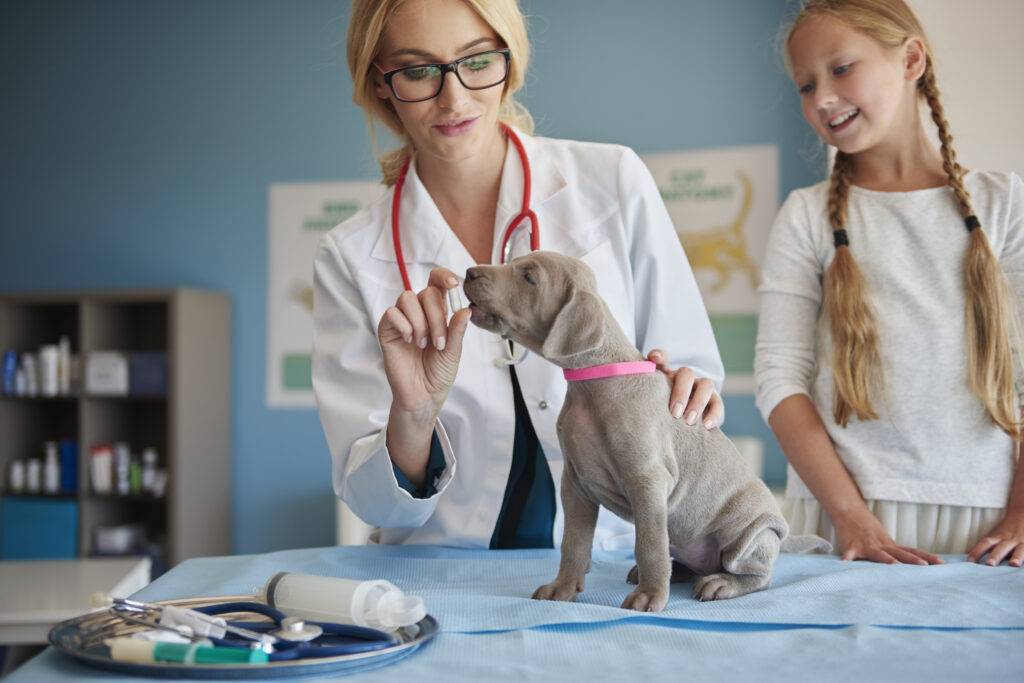
Pet wellness exam visits are one of the most important parts of keeping your pet healthy throughout every stage of life. Whether you have a playful puppy, an active adult dog, a curious kitten, or a senior cat, routine veterinary visits help identify health concerns early and support a longer, healthier life. For pet owners in Royal Oak, Troy, and nearby communities, regular preventive care is an investment in your pet’s long-term well-being.
What Is a Pet Wellness Exam?
A pet wellness exam is a routine veterinary appointment focused on monitoring your pet’s overall health. Unlike visits that address a specific illness or injury, wellness exams are designed to detect potential problems before they become serious.
During a typical appointment, your veterinarian will evaluate your pet’s weight, body condition, heart, lungs, skin, coat, eyes, ears, teeth, and mobility. They may also discuss nutrition, behavior, exercise habits, and any changes you’ve noticed at home.
These visits form the foundation of preventive veterinary care, helping pets stay healthy and allowing veterinarians to establish a baseline for future health assessments.
Why Annual Wellness Exams Matter
Many health conditions develop gradually and may not show obvious symptoms during the early stages. Pets are also skilled at hiding discomfort, making it difficult for owners to recognize when something is wrong.
An annual pet exam allows veterinarians to identify potential concerns before they progress into more serious conditions. Early detection often leads to more effective treatment and better outcomes.
Regular wellness visits can help identify:
- Dental disease
- Arthritis and joint issues
- Heart disease
- Obesity
- Diabetes
- Kidney disease
- Thyroid disorders
- Skin and allergy problems
- Vision and hearing changes
By scheduling routine visits, pet owners can take a proactive approach to their pet’s health rather than waiting until symptoms become noticeable.
What Happens During a Pet Health Checkup?
A comprehensive pet health checkup typically includes several important evaluations.
Physical Examination
Your veterinarian will perform a nose-to-tail assessment of your pet’s overall condition. This examination may include checking:
- Heart rate and rhythm
- Respiratory health
- Weight and body condition
- Eyes and ears
- Skin and coat quality
- Joint function and mobility
- Oral health
Vaccination Review
Vaccinations play an important role in protecting pets from preventable diseases. Your veterinarian will review your pet’s vaccination history and determine whether any boosters are needed.
Parasite Prevention
Preventing fleas, ticks, and heartworms is a key part of maintaining good health. Wellness visits provide an opportunity to discuss parasite prevention options based on your pet’s lifestyle and risk factors.
Nutritional Guidance
Every pet has unique dietary needs. Your veterinarian may recommend adjustments based on your pet’s age, weight, activity level, or medical history.
Diagnostic Testing
Depending on your pet’s age and health status, blood work, urinalysis, or other screening tests may be recommended to detect hidden health issues.
Wellness Exams for Puppies and Kittens
Young pets require frequent veterinary visits during their first year of life. These appointments help ensure proper growth and development while providing essential vaccinations and preventive treatments.
Your veterinarian will monitor your puppy or kitten’s progress, answer questions about behavior and training, and provide guidance on nutrition and socialization.
Early veterinary care creates a strong foundation for lifelong health.
Wellness Exams for Adult Pets
Adult pets benefit from regular routine pet exams even when they appear healthy. Annual visits allow veterinarians to monitor changes over time and address concerns before they become serious.
For many pets, a yearly examination is sufficient. However, some pets with ongoing medical conditions may require more frequent evaluations.
Consistent preventive care helps maintain a high quality of life and reduces the likelihood of unexpected health complications.
Senior Pets Need Extra Attention
As pets age, their healthcare needs often change. Senior dogs and cats are more likely to develop age-related conditions that require ongoing monitoring.
Many veterinarians recommend wellness exams every six months for senior pets. More frequent visits allow for earlier detection of conditions such as arthritis, kidney disease, heart disease, and cognitive decline.
Regular monitoring helps ensure aging pets remain comfortable and active for as long as possible.
Choosing a Trusted Local Veterinarian
Finding the right veterinary team is an important part of responsible pet ownership. A trusted veterinarian Royal Oak MI pet owners rely on can provide personalized care and guidance throughout every stage of your pet’s life.
Likewise, families looking for a reliable vet Troy MI can benefit from partnering with a practice that emphasizes preventive care, client education, and long-term health management.
Building a relationship with your veterinary team allows for more personalized recommendations and better continuity of care.
Supporting Your Pet’s Long-Term Health
Routine wellness care is one of the simplest and most effective ways to support your pet’s health. Regular exams help identify concerns early, maintain vaccination schedules, manage parasite prevention, and ensure your pet receives the care they need throughout their life.
By making wellness visits a priority, pet owners in Royal Oak, Troy, and surrounding communities can help their pets enjoy healthier, happier lives for years to come.
Frequently Asked Questions
How often should my pet have a wellness exam?
Most healthy adult pets should have a wellness exam once a year. Puppies, kittens, senior pets, and animals with medical conditions may require more frequent visits.
What is included in a pet wellness exam?
A wellness exam typically includes a physical examination, weight assessment, vaccination review, parasite prevention discussion, nutritional guidance, and recommendations for any necessary diagnostic testing.
Are wellness exams necessary if my pet seems healthy?
Yes. Many health conditions develop without obvious symptoms. Regular exams help detect problems early when treatment is often more effective and less costly.
How long does a pet wellness exam take?
Most wellness appointments last between 30 and 60 minutes, depending on your pet’s age, health status, and any concerns that need to be addressed.
At what age is a pet considered a senior?
The age varies by species and breed. Generally, dogs and cats are considered seniors between seven and ten years of age.
Can wellness exams help reduce future veterinary costs?
Yes. Early detection and preventive care often reduce the need for more extensive and expensive treatments later, making regular wellness visits a valuable investment in your pet’s health.