
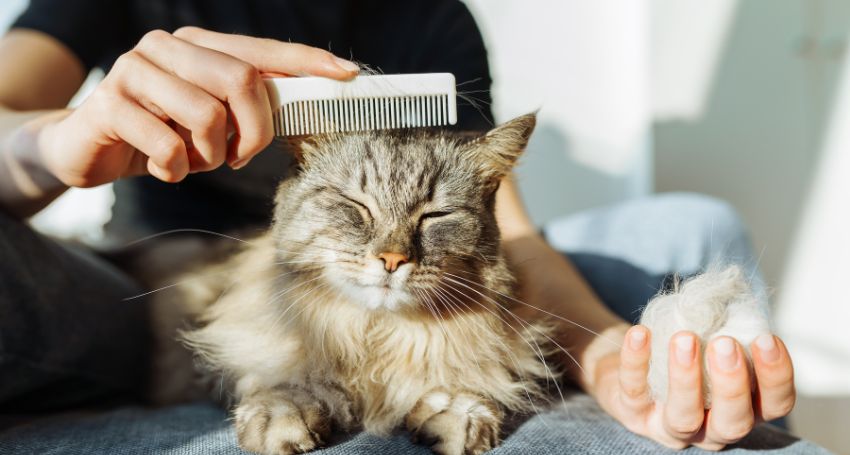
Why is my cat losing hair? It is a question that instantly triggers worry for any devoted cat parent. Noticing patches of missing fur, a thinning coat, or sudden bald spots on your feline companion can be alarming. While routine shedding is completely normal for most cats, excessive hair loss—known medically as feline alopecia—is a clear sign that something underlying needs attention.
Cat hair loss can stem from a wide range of issues, ranging from simple seasonal environmental reactions to complex psychological stress or underlying medical conditions. Understanding the root cause is the first step toward helping your pet regain a healthy, shiny coat.
Understanding Feline Alopecia
Feline alopecia refers to partial or complete hair loss in areas where fur usually grows. It can present in different ways depending on what is triggering it. You might notice symmetrical hair loss on both sides of the body, distinct patchy bald spots, or localized thinning. In many cases, a cat losing fur on back areas near the tail base is reacting to a specific localized trigger, such as parasites or localized skin irritation.
Hair loss in cats generally falls into two primary categories: hair that falls out on its own due to follicle damage or medical illness, and hair that is physically removed by the cat through excessive licking, biting, or scratching. Determining which category your cat falls into is essential for finding the right treatment.
Top Cat Hair Loss Causes
Identifying the exact reason behind your cat’s thinning fur requires looking closely at their behavior, physical environment, and overall health. Here are the most frequent cat hair loss causes observed by veterinarians:
Parasites and Flea Allergy Dermatitis
Parasites are by far the leading culprit behind sudden hair loss in cats. Fleas, mites, and lice can cause intense itchiness that drives cats to scratch and bite frantically at their skin. Even if you do not visually spot fleas on your pet, a single flea bite can cause a severe allergic reaction known as flea allergy dermatitis. This condition often results in intense irritation, leading to a cat losing fur on back and tail regions as they attempt to soothe the persistent itch.
Cat Skin Allergies
Just like humans, cats can develop allergies to factors in their environment or diet. Cat skin allergies often manifest as red, inflamed skin, small bumps, and severe itching. Common allergens include:
- Environmental triggers such as pollen, dust mites, molds, or household cleaning products.
- Food sensitivities, often linked to specific protein sources in their standard diet.
- Contact allergens, including certain beddings, carpet fibers, or synthetic materials.
When allergies flare up, the continuous itching forces the cat to groom constantly, breaking the hair shafts and pulling fur out in clumps.
Ringworm and Fungal Infections
Despite its name, ringworm is not a worm at all, but a highly contagious fungal infection. It attacks the hair follicles, causing the hair to break off at the skin line. Ringworm typically creates classic circular, crusty bald spots accompanied by flaky or scaly skin. Because ringworm can easily spread to other pets and humans, prompt veterinary evaluation is crucial if you suspect a fungal issue.
Pain and Internal Medical Issues
Cats are masters at hiding discomfort. When a cat experiences internal pain—such as joint pain from arthritis or bladder inflammation from a urinary tract infection—they may repeatedly lick the skin directly over that painful area to self-soothe. Additionally, underlying hormonal imbalances like hyperthyroidism or Cushing’s disease can cause diffuse, non-itchy hair loss across the body.
Stress and Cat Overgrooming Hair Loss
Cats thrive on routine and stability. Sudden changes in their environment—such as moving to a new home, introducing a new family member or pet, or even shifting daily schedules—can cause significant stress and anxiety.
When cats feel stressed or bored, they often turn to grooming as a coping mechanism. Cat overgrooming hair loss, officially termed psychogenic alopecia, occurs when a cat obsessively licks a specific area until the hair is entirely stripped away. This usually occurs on the belly, inner thighs, or front legs. The skin beneath the missing fur often appears completely healthy and uninflamed, which distinguishes behavioral overgrooming from physical skin infections or parasite infestations.
Effective Cat Bald Spots Treatment and Care
Treating hair loss in cats requires addressing the specific cause rather than just treating the symptom. Because the underlying factors vary so widely, you should always consult a veterinarian for an accurate diagnosis before starting any home remedies.
Veterinary Diagnosis
Your veterinarian will conduct a physical examination, review your cat’s medical history, and run diagnostic tests. These tests may include skin scrapings, fungal cultures, blood panels, or elimination diet trials to pinpoint the exact source of the problem.
Target Solutions
- Parasite Prevention: Administering year-round, veterinarian-approved flea and tick preventatives is essential for every cat, even those that stay strictly indoors.
- Allergy Management: Dietary changes, hypoallergenic diets, or prescribed anti-itch medications and antihistamines can significantly relieve allergy symptoms.
- Medical Therapies: Medicated shampoos, topical antifungal creams, or oral medications are necessary for fungal or bacterial infections.
- Stress Mitigation: Providing environmental enrichment, keeping consistent routines, using synthetic feline pheromone diffusers, and offering safe hiding spaces can help calm anxious cats and reduce overgrooming.
Frequently Asked Questions
Can stress alone cause a cat to lose hair?
Yes, stress is a major trigger for excessive grooming in cats. Emotional distress can lead to compulsive licking, which breaks the hair shafts and creates noticeable bald patches, particularly along the stomach and legs.
Will my cat’s fur grow back after treatment?
In most cases, yes. Once the root cause—whether parasites, allergies, an infection, or stress—is identified and successfully treated, your cat’s coat should begin to regrow within a few weeks to months.
How can I tell if my cat’s hair loss is an emergency?
While hair loss is rarely an immediate life-threatening emergency, you should seek prompt veterinary care if the hair loss is accompanied by open sores, bleeding, severe redness, lethargy, loss of appetite, or signs of intense distress.