
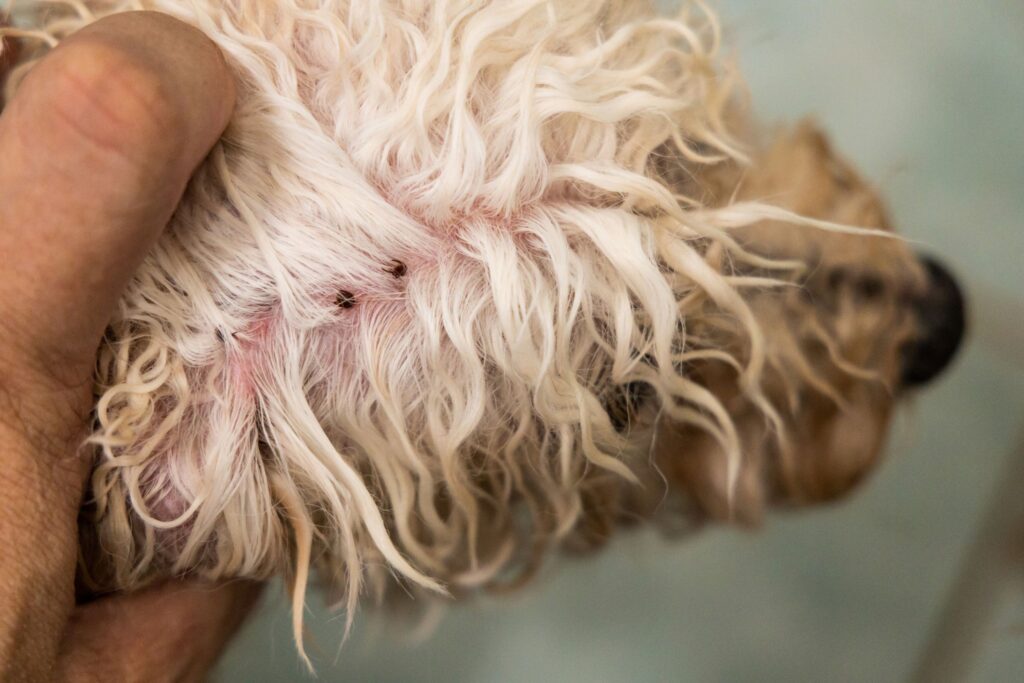
Roundworms in dogs are intestinal parasites that can affect dogs of any age, although puppies face a particularly high risk. An infected dog may look healthy and show no immediate symptoms, allowing the parasites to remain unnoticed without routine fecal testing.
Learning how roundworms spread, recognizing possible symptoms, and following a veterinarian-directed prevention plan can protect your dog and reduce environmental contamination. Because certain canine roundworms can also affect people, responsible parasite control helps protect the entire household.
What Are Roundworms in Dogs?
Roundworms are pale, cylindrical parasites that live in a dog’s intestinal tract. Two species commonly associated with dogs are Toxocara canis and Toxascaris leonina. Of these, Toxocara canis is especially important because it commonly affects puppies and has the potential to infect humans.
Adult worms consume nutrients inside the intestine and produce microscopic eggs that leave the dog’s body through feces. Once the eggs mature in the environment, another dog may swallow them and become infected.
Roundworms are not the same as earthworms or the small worms sometimes found in soil. They are internal parasites that require veterinary diagnosis and appropriate treatment.
How Do Dogs Get Roundworms?
Understanding how dogs get roundworms can help owners limit exposure. Infection can happen in several ways:
- Swallowing infective eggs from contaminated soil
- Licking contaminated paws, toys, bowls, or other objects
- Eating infected rodents or other small animals
- Receiving larvae from an infected mother before birth
- Acquiring infection while nursing
Puppies can therefore arrive in a new home already infected, even when they have been kept in a clean environment. Adult dogs may encounter roundworm eggs in yards, parks, shared pet areas, or any location contaminated by infected feces.
Roundworm eggs can remain in the environment for an extended period. Promptly removing dog waste is one of the most practical ways to reduce contamination.
What Are the Signs of Roundworms in Dogs?
The signs of roundworms in dogs depend on the dog’s age, general health, and parasite burden. Mild infections may not produce visible symptoms, particularly in adult dogs.
Possible roundworm symptoms in dogs include:
- A swollen or potbellied appearance
- Poor growth in puppies
- Weight loss or reduced body condition
- Vomiting
- Diarrhea
- A dull coat
- Reduced appetite
- Abdominal discomfort
- Coughing in some cases as larvae migrate
- Visible worms in vomit or stool
A heavily infected puppy may become seriously ill. Contact a veterinarian promptly if a puppy has repeated vomiting, persistent diarrhea, marked weakness, a swollen abdomen, or difficulty eating.
These symptoms are not exclusive to roundworms. Other parasites and medical conditions can cause similar changes, so symptoms alone cannot confirm the diagnosis.
If your dog has digestive symptoms, a potbellied appearance, or visible worms, schedule an examination with Madison Veterinary Hospital. Our veterinary team can evaluate your dog and recommend appropriate testing rather than relying on guesswork.
What Do Roundworms Look Like in Dogs?
Adult roundworms are often described as looking like strands of cooked spaghetti. They may be several inches long and can occasionally appear in a dog’s stool or vomit.
Roundworm eggs are different. They are microscopic and cannot be identified simply by looking at your dog’s waste. A stool sample may contain eggs even when no adult worms are visible.
Do not wait to see a worm before arranging parasite screening. Many infected dogs never pass an adult worm where an owner can notice it.
If you find a suspected worm, take a clear photograph or place the specimen in a sealed container if you can do so safely. Wash your hands afterward and ask the veterinary team whether they would like you to bring it to the appointment.
How Are Roundworms Diagnosed?
Veterinarians commonly diagnose roundworms by examining a fecal sample for parasite eggs. Additional diagnostic methods may be considered when few eggs are present or when the infection involves immature or same-sex worms.
A negative result does not always rule out a very recent infection because young parasites may not be producing eggs yet. Your veterinarian may recommend repeat testing based on your dog’s age, exposure risk, symptoms, and parasite-prevention history.
Bringing a fresh stool sample to your dog’s appointment can make the testing process more convenient. Ask the veterinary team how the sample should be collected and stored.
What Does Roundworm Treatment for Dogs Involve?
Roundworm treatment for dogs uses veterinary-approved deworming medication. The recommended product and treatment schedule depend on factors such as the dog’s age, weight, health, and current parasite-control program.
More than one treatment may be required because some medications affect particular stages of the parasite’s life cycle. Follow-up fecal testing may also be advised to confirm that treatment was successful.
Do not give your dog leftover medication or a product intended for another pet. Incorrect products or doses may be ineffective or unsafe. A veterinarian should determine the most appropriate treatment for the individual patient.
All dogs sharing the home may need evaluation because they can experience similar environmental exposure. Bedding, living areas, and outdoor spaces should also be managed carefully to reduce the chance of continued contamination.
Can People Get Roundworms From Dogs?
Certain canine roundworms can cause a human infection called toxocariasis. People do not usually become infected by simply touching or petting a dog. Infection can occur when infective eggs from contaminated feces or soil are accidentally swallowed.
Young children may face greater exposure because they often play on the ground and may put unwashed hands or objects near their mouths.
Helpful precautions include washing hands after outdoor activities, cleaning up pet waste promptly, preventing children from playing in contaminated soil, and keeping dogs on a veterinarian-recommended parasite-control plan.
How Can You Prevent Roundworms in Dogs?
If you are wondering how to prevent roundworms in dogs, focus on both veterinary care and environmental hygiene:
- Follow the recommended puppy deworming schedule
- Use year-round parasite control prescribed for your dog
- Complete routine fecal testing
- Pick up feces from the yard promptly
- Prevent scavenging and hunting when possible
- Keep food and water bowls clean
- Wash hands after handling waste or soil
- Schedule veterinary care for pregnant and nursing dogs
- Avoid dog parks and shared spaces when your dog has an active infection
Prevention plans should be individualized. Lifestyle, age, travel, wildlife exposure, and other health considerations can influence which products and testing schedule are appropriate.
Protect your dog and family with a consistent parasite-prevention plan. Contact Madison Veterinary Hospital to arrange fecal testing or discuss the right year-round protection for your dog.
Frequently Asked Questions
Are roundworms common in puppies?
Yes. Puppies are particularly vulnerable because they may acquire roundworm larvae from their mother before birth or while nursing. Early veterinary care and scheduled deworming are important.
Can an indoor dog get roundworms?
Yes. Infective eggs can be encountered outdoors and carried inside on paws or contaminated objects. Dogs may also become infected by eating certain prey animals.
Can I see roundworm eggs in dog stool?
No. Roundworm eggs are microscopic. A veterinary fecal test is needed to look for evidence of infection.
How quickly do roundworms disappear after treatment?
The timeline varies according to the medication, parasite stage, and severity of infection. Some dogs require repeated treatment and follow-up testing. Follow the schedule provided by your veterinarian.
Should I clean my yard after my dog is diagnosed?
Yes. Remove feces promptly and dispose of them safely. Because roundworm eggs can persist in the environment, consistent waste removal is essential for limiting further contamination.