
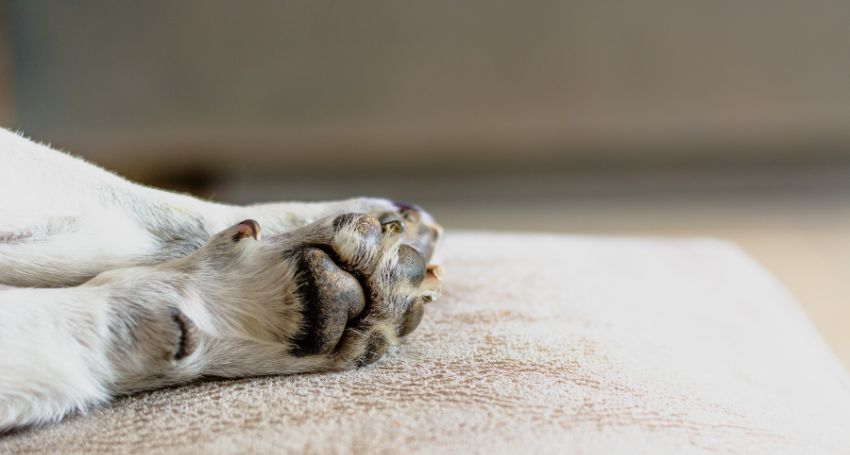
A dog licking paws a lot is one of the most common reasons pet owners seek advice from veterinarians. While occasional grooming after a walk or before naptime is completely normal, persistent or obsessive paw licking usually signals an underlying issue. Your dog’s paws come into contact with all kinds of surfaces, chemicals, and natural elements every single day, making them particularly vulnerable to irritation, injuries, and infections.
If you find yourself asking, “why is my dog licking their paws so constantly?” you are not alone. Understanding the underlying trigger is the key to stopping the cycle of discomfort and preventing secondary skin issues.
5 Common Causes of Excessive Paw Licking
Dogs communicate discomfort through their behavior. Because they cannot tell us where it hurts or itches, licking is often their primary way of soothing inflamed or painful skin.
1. Environmental and Food Allergies
Just like humans, dogs can develop sensitivities to the world around them. In fact, dog paw licking allergies are the leading cause of chronic foot chewing.
- Environmental Allergies (Atopy): Pollen, grasses, weeds, mold spores, and dust mites frequently settle on a dog’s coat and paws. When your dog walks through grass, these allergens cling to the pads and irritate the skin, leading to intense itching.
- Food Allergies: Sensitivities to specific proteins (such as chicken, beef, or dairy) or grain ingredients often manifest as cutaneous reactions. Unlike humans who get hives or run noses, dogs with food allergies typically experience itchy ears, rear ends, and paws.
2. Bacterial and Yeast Infections
The dark, warm, and humid environment between a dog’s toe pads creates a ideal breeding ground for microscopic organisms. When a dog licks their feet due to minor itchiness, the added moisture accelerates the growth of bacteria and yeast.
Recognizing early dog paw infection symptoms can prevent a minor irritation from escalating into a painful condition. Watch out for:
- A distinct, corn-chip or musty odor coming from the paws.
- Rust-colored or reddish staining on light-colored fur (caused by porphyrin pigments in saliva).
- Swelling around the nail beds or between the toes.
- Slimy or greasy discharge on the skin between pads.
3. Irritants and Foreign Objects
Sometimes the cause is purely mechanical or environmental. Small foreign objects like foxtails, burrs, thorns, gravel, or glass can easily get lodged between pads or embedded in the webbing. Additionally, chemical irritants such as winter ice-melt salts, lawn fertilizers, pest treatment chemicals, or harsh floor cleaners can cause contact dermatitis, leading to immediate burning or itching.
4. Dry Skin and Environmental Extremes
Seasonal changes heavily impact paw health. During the winter, cold air paired with indoor heating dries out the skin, causing cracking and discomfort. In the summer, walking on hot asphalt or sand can cause micro-burns or dry out the delicate paw pads, prompting your dog to lick for relief.
5. Anxiety, Stress, or Boredom
Paw licking isn’t always physical; it can also be behavioral. Dogs often engage in repetitive licking to self-sooth when experiencing separation anxiety, changes in household routine, or lack of mental and physical exercise. Over time, this nervous habit releases endorphins in the brain, creating an obsessive-compulsive loop that continues even after the original stressor is gone.
Warning Signs: When Licking Turns Dangerous
A minor scratch or mild allergy can quickly snowball into a serious medical problem if left untreated. Constant moisture from saliva weakens the outer barrier of the skin, making it fragile and susceptible to secondary bacterial breakdown.
If you notice your dog licking paws until red, raw, bleeding, or hairless, immediate intervention is necessary. Open wounds on the paws are exposed to dirt and bacteria on every step, increasing the risk of painful deep-tissue infections, cellulitis, or abscesses.
Effective Treatments for Dog Paw Licking Relief
Restoring comfort requires a dual approach: addressing the immediate physical irritation and treating the underlying root cause. Finding lasting dog paw licking relief involves several practical steps:
- Wipe Paws After Walks: Keep a damp cloth, baby wipe (fragrance-free and pet-safe), or specialized antibacterial wipe by your front door. Cleaning your dog’s paws immediately after outdoor activity removes environmental allergens, fertilizers, and salts before they can cause irritation.
- Use an Elizabethan Collar (E-Collar): If your dog is aggressively chewing or licking open sores, temporarily place an e-collar or protective bootie on them to allow the skin time to heal.
- Veterinary Allergy Management: If seasonal or food allergies are at play, your veterinarian may recommend prescription medications such as antihistamines, Apoquel, Cytopoint injections, or elimination diet trials to calm the immune system.
- Topical Medicated Shampoos: Anti-fungal and antibacterial foot baths or sprays help restore the natural microbial balance on the skin, reducing the urge to lick.
Safe Home Remedies for Dog Paw Licking
For mild, non-infected irritation, several gentle home remedies for dog paw licking can provide quick, natural comfort right at home:
- Chamomile and Green Tea Soaks: Both chamomile and green tea possess natural anti-inflammatory and soothing properties. Steep a few tea bags in warm water, let it cool completely, and soak your dog’s paws for 5 to 10 minutes to calm itchy skin.
- Epsom Salt Baths: Dissolving Epsom salt in warm water creates an osmotic bath that reduces swelling, cleanses minor abrasions, and eases joint stiffness. Ensure your dog does not drink the water, and rinse their paws with clean water afterward.
- Diluted Apple Cider Vinegar Rinse: Apple cider vinegar acts as a natural antibacterial and antifungal agent. Mix equal parts water and organic apple cider vinegar and dip your dog’s paws for 30 seconds. Note: Never use vinegar on paws with open cuts, raw skin, or bleeding sores, as it will sting severely.
- Organic Coconut Oil: Pure, cold-pressed coconut oil acts as a natural moisturizer with mild antibacterial properties. Rub a tiny amount onto dry, cracked pads to hydrate the skin.
Frequently Asked Questions (FAQs)
Why is my dog licking their paws mostly at night?
Dogs often lick their paws at night because they are relaxed and free from daytime distractions. When the house quietens down, itching or discomfort becomes more noticeable to them. Additionally, allergies contracted during daytime walks may reach peak irritation by evening.
Can I put human anti-itch creams or Neosporin on my dog’s paws?
You should avoid using human creams or ointments unless specifically instructed by your vet. Dogs naturally lick off topical treatments, and ingredients like zinc oxide or hydrocortisone found in human products can be toxic if ingested in large quantities.
How do I know if the paw licking is an emergency?
Seek prompt veterinary care if you observe severe swelling, limping, foul-smelling discharge, open bleeding wounds, or if your dog acts aggressive when you touch their paw due to intense pain.