
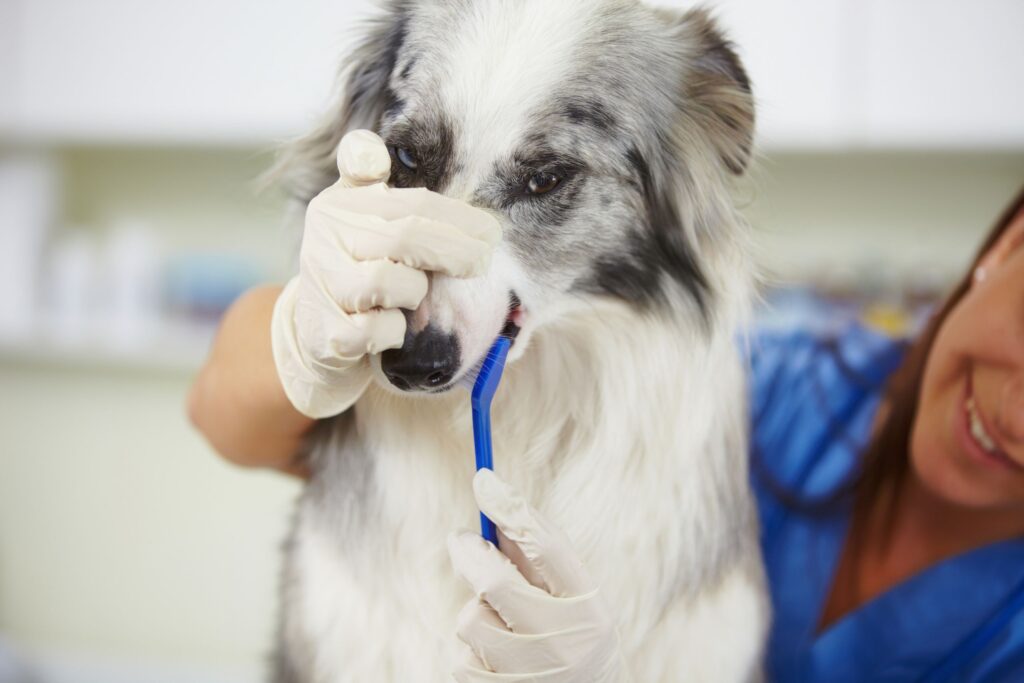
Start preventative dental care early in your pet’s life and continue through the senior years. Dogs and cats cannot tell us when a tooth hurts, and many continue eating and playing despite significant oral discomfort. A proactive approach helps identify developing problems before they cause persistent pain, infection, or tooth loss.
Effective prevention is not one single treatment. It combines routine oral evaluations, appropriate home care, professional dental cleanings when recommended, and prompt attention to sudden symptoms. Because oral health needs change with age, the right routine for a puppy or kitten may look very different from the plan recommended for a senior pet.
When Should Preventative Dental Care for Pets Begin?
Dental care can begin as soon as a puppy or kitten joins your family. The earliest goal is not intensive brushing. It is helping your young pet become comfortable with gentle handling around the lips, mouth, and face.
During early veterinary visits, the veterinarian can evaluate how the adult teeth are developing and check whether baby teeth are falling out properly. Retained baby teeth, abnormal tooth alignment, oral injuries, and developmental concerns may require closer monitoring or treatment.
Owners can gradually introduce a pet toothbrush and toothpaste made specifically for animals. Starting slowly and using positive reinforcement can make home dental care easier as the pet matures. Never use human toothpaste because its ingredients are not designed to be swallowed by animals.
How Do Dental Needs Change in Adult Dogs and Cats?
Plaque builds up every day. If it is not removed, it can harden into tartar and contribute to inflammation around the gums. Adult pets therefore need a consistent routine rather than occasional attention when bad breath becomes noticeable.
A practical pet dental care plan may include:
- Regular oral evaluations during veterinary appointments
- Toothbrushing with pet-safe products
- Dental diets, treats, or chews recommended for the individual pet
- Monitoring for changes in eating or chewing
- Professional cleaning when advised by the veterinarian
The same product is not suitable for every animal. Hard chews can damage teeth, while certain dental products may not be appropriate for pets with dietary restrictions or existing medical conditions. Ask your veterinarian before adding a new product to your pet’s routine.
Help protect your pet’s smile before discomfort develops. Contact Madison Veterinary Hospital to discuss a preventative dental care plan based on your dog or cat’s age, health, and individual needs.
What Does Preventative Dental Care for Dogs Involve?
Preventative dental care for dogs should account for breed, size, chewing behavior, tooth alignment, and tolerance for brushing. Smaller dogs and dogs with crowded teeth may develop dental problems more quickly, although any breed can be affected.
Daily brushing is ideal when the dog accepts it, but owners should introduce the process gradually. Begin by lifting the lip briefly and rewarding calm behavior. Next, use a finger or soft cloth to touch the outer tooth surfaces. A pet toothbrush can be introduced once the dog is comfortable.
Focus on consistency rather than forcing a long session. A stressful struggle may make future brushing more difficult. Your veterinarian can demonstrate an appropriate technique and suggest other options when brushing is not practical.
Is Dental Care Different for Cats?
Cats also develop plaque, tartar, gum inflammation, and painful dental conditions. However, feline dental disease can be difficult to notice because cats often hide pain.
A cat with oral discomfort may chew on one side, swallow food without chewing, prefer soft food, groom less often, drool, or become sensitive around the face. Some cats simply become quieter or less social.
Home brushing can benefit cats that tolerate it, but gradual introduction is essential. Cat-safe dental products and regular veterinary examinations play an important role in dog and cat dental care. If your cat suddenly changes eating habits, do not assume the behavior is caused by fussiness or age.
Why Do Senior Pets Need Closer Dental Monitoring?
Older pets may have years of accumulated plaque, previous dental disease, worn teeth, fractures, or missing teeth. They may also have medical conditions that affect how dental treatment is planned.
Senior status does not automatically prevent a dog or cat from receiving dental treatment. The veterinarian evaluates the entire patient, including medical history, physical examination findings, and appropriate diagnostic test results. Recommendations should be based on the individual pet rather than age alone.
Dental care for pets of all ages has the same central goal: maintaining a comfortable, functional mouth. For senior pets, treating painful dental disease may improve their comfort when eating, playing, resting, and interacting with family members.
When Does a Dental Problem Become Urgent?
Routine prevention cannot stop every accident or sudden problem. A pet may fracture a tooth while chewing, injure its mouth during play, or develop swelling from an infection.
Signs that may require urgent pet dental care include:
- Bleeding that does not stop
- Facial or jaw swelling
- A visibly broken or displaced tooth
- Sudden refusal to eat
- Crying or pulling away while chewing
- Heavy drooling that begins suddenly
- An object lodged in the mouth
- Trauma to the face or jaw
- Difficulty breathing or closing the mouth
If your pet has difficulty breathing, severe bleeding, major facial trauma, or another potentially life-threatening condition, seek emergency veterinary assistance immediately.
Availability for emergency dental care for pets varies among veterinary hospitals. Call before traveling when possible so the team can explain whether your pet should be seen at the hospital or taken directly to an emergency facility.
How Can Pet Owners Create a Sustainable Routine?
Start with a routine that you can maintain. Keep dental supplies in an accessible place, choose a calm time of day, and use praise or a suitable reward after each session.
Check your pet’s mouth regularly without forcing it open. Look for changes in breath, gum color, visible tartar, damaged teeth, and sensitivity. Home checks cannot diagnose disease below the gumline, but they can help you notice changes sooner.
Most importantly, do not wait for obvious pain before asking about oral health. Preventative care works best when it becomes part of your pet’s regular wellness plan.
Whether your pet is young, fully grown, or entering the senior years, Madison Veterinary Hospital can help you choose an appropriate dental routine. Request an appointment to discuss your pet’s oral health and the next recommended step.
Frequently Asked Questions
How often should my pet receive a dental examination?
Your pet’s mouth should be evaluated during routine wellness visits. The veterinarian may recommend more frequent monitoring based on age, breed, previous dental disease, and current findings.
Does bad breath mean my pet has dental disease?
Persistent bad breath can be associated with plaque, gum disease, infection, or another oral problem. A veterinary examination is needed to determine the cause.
Can dental chews replace brushing?
Dental chews may support oral hygiene, but they do not replace brushing, veterinary examinations, or professional treatment when needed. Ask your veterinarian which products are safe for your pet.
What should I do if my dog or cat breaks a tooth?
Contact a veterinarian promptly, even if your pet continues eating. A broken tooth can expose sensitive internal structures and may require treatment.
Is professional dental care safe for senior pets?
Age alone does not determine whether a pet can receive dental care. Veterinarians assess each senior pet individually and consider overall health, test results, and the benefits and risks of treatment.