
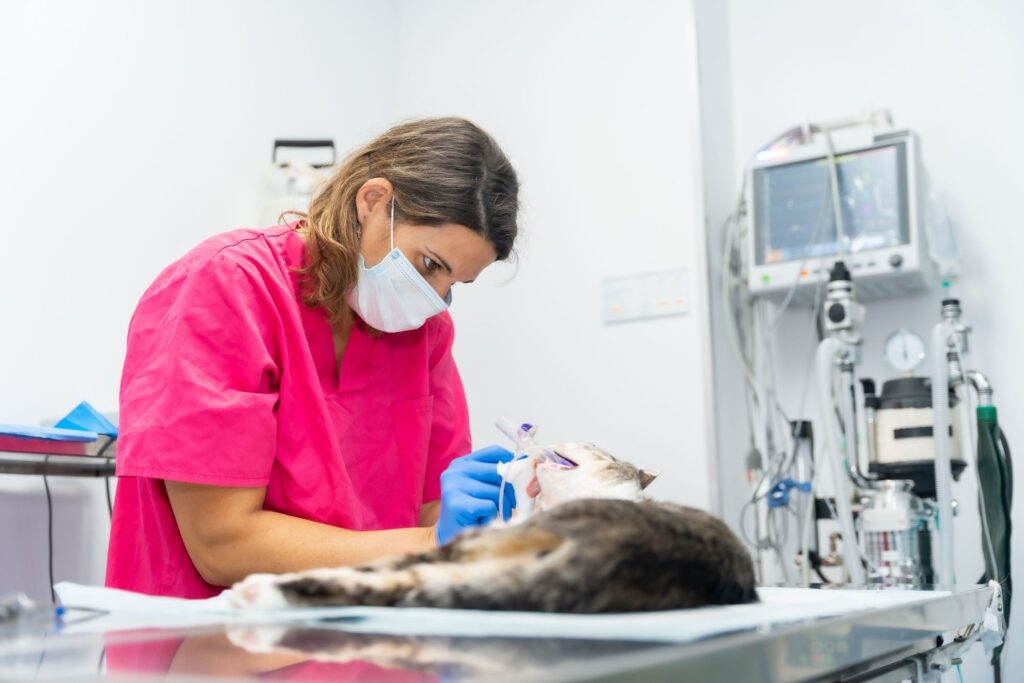
Veterinary dental care is an essential part of protecting your dog’s overall health. Plaque and tartar may appear to be minor problems, but untreated dental disease can cause pain, infection, tooth loss, and difficulty eating. Because many dogs continue behaving normally despite oral discomfort, dental problems can remain unnoticed until they become serious.
Regular home care and professional dental visits work together to keep your dog’s mouth healthy. Understanding what happens during a dental appointment can help you recognize when your dog needs care and feel more confident about recommended treatment.
Why Is Veterinary Dental Care Important for Dogs?
Plaque begins forming on a dog’s teeth shortly after eating. If it is not removed, it can harden into tartar. Bacteria may then move beneath the gumline, causing inflammation and periodontal disease.
Periodontal disease affects the tissues that support the teeth. As it progresses, it can cause gum recession, loose teeth, infection, and damage to the surrounding bone. These problems are often painful, even when a dog does not clearly show discomfort.
Professional veterinary dental care addresses both the visible surfaces of the teeth and the areas below the gumline that cannot be properly cleaned at home. Routine evaluation also allows a veterinarian to identify damaged teeth, oral growths, and other concerns before they worsen.
What Signs Suggest That Your Dog Needs Dental Care?
Bad breath is one of the most common signs of dental disease, but it is not the only symptom. Contact your veterinarian if you notice:
- Yellow or brown tartar on the teeth
- Red, swollen, or bleeding gums
- Difficulty chewing food
- Dropping food while eating
- Excessive drooling
- Pawing at the mouth or face
- Loose, broken, or missing teeth
- Swelling around the mouth or jaw
- Reduced interest in food or hard treats
Some dogs with dental disease show no obvious symptoms. This is why including an oral evaluation in your dog’s routine wellness care is important.
What Happens During a Dog Dental Checkup?
A dog dental checkup usually begins with an examination of the mouth. The veterinarian looks for plaque, tartar, gum inflammation, broken teeth, abnormal growths, and signs of infection.
The veterinarian will also review your dog’s medical history and discuss any changes you have noticed at home. Although an awake oral examination provides useful information, it cannot reveal everything happening beneath the gumline or around every tooth.
If professional cleaning or further evaluation is recommended, your veterinarian may discuss pre-anesthetic testing. This can include bloodwork to assess your dog’s general health and help the veterinary team create an appropriate anesthetic plan.
Concerned about your dog’s breath, gums, or eating habits? Schedule a dental evaluation with Madison Veterinary Hospital so our veterinary team can assess your pet’s mouth and recommend the next appropriate step.
Why Is Anesthesia Used for Professional Dental Cleaning?
A complete veterinary dental cleaning generally requires anesthesia. It allows the veterinary team to safely examine each tooth, clean below the gumline, take dental X-rays when needed, and complete treatment without causing fear, stress, or pain.
Anesthesia also prevents sudden movement and protects the airway from water, bacteria, and dental debris during the procedure. Anesthesia-free cleaning may remove some visible tartar, but it cannot provide a complete examination or safely clean beneath the gums, where periodontal disease develops.
Before the procedure, the veterinary team evaluates the patient and takes appropriate precautions based on the dog’s age, medical history, and individual health needs.
What Veterinary Dental Procedures May Be Performed?
The veterinary dental procedures your dog receives depend on the findings during the examination. A professional dental appointment may include:
- A complete examination of the teeth and gums
- Scaling above and below the gumline
- Polishing to smooth the tooth surfaces
- Dental X-rays to examine the roots and supporting bone
- Measurement of periodontal pockets
- Treatment of infected or damaged teeth
- Tooth extraction when a tooth cannot be saved
- Pain management before, during, and after treatment
Pet owners sometimes refer to professional dental cleanings as “dentals for dogs.” However, these appointments involve much more than removing visible tartar. They are medical procedures designed to identify and treat disease throughout the mouth.
If an extraction is needed, the veterinarian will remove the painful or infected tooth and provide aftercare instructions. Most dogs adjust well after necessary extractions and may eat more comfortably once the source of pain has been treated.
How Can You Protect Your Dog’s Teeth at Home?
Brushing your dog’s teeth with pet-safe toothpaste is one of the most effective ways to reduce plaque between professional visits. Human toothpaste should not be used because some ingredients may be unsafe for dogs.
Introduce brushing gradually. Begin by allowing your dog to taste the toothpaste, then gently touch the teeth and gums before introducing a pet toothbrush. Short, positive sessions can make the routine easier.
Veterinary-approved dental diets, treats, chews, and water additives may also help. Choose products appropriate for your dog’s size and chewing habits, and remember that home care does not replace veterinary examinations.
How Often Does a Dog Need a Dental Checkup?
Most dogs should have their teeth and gums evaluated during routine wellness visits. The frequency of professional cleaning depends on factors such as age, breed, tooth alignment, diet, home care, and existing dental disease.
Small breeds and dogs with crowded teeth may require more frequent care. Your veterinarian can recommend an individualized schedule after examining your dog’s mouth.
Give your dog a healthier, more comfortable smile. Contact Madison Veterinary Hospital to arrange a dog dental checkup and receive a dental care plan based on your pet’s individual needs.
Frequently Asked Questions
Is bad breath normal in dogs?
Occasional food-related odor may occur, but persistent bad breath can indicate plaque buildup, gum disease, infection, or another health concern. A veterinary examination can help identify the cause.
Can I remove tartar from my dog’s teeth at home?
You should not scrape tartar from your dog’s teeth yourself. This may damage the enamel, injure the gums, or cause pain. Hardened tartar should be removed using professional veterinary equipment.
Are dental X-rays necessary for dogs?
Dental X-rays help veterinarians examine tooth roots, jawbone, and structures hidden beneath the gums. They can reveal problems that are not visible during a surface examination.
Can dogs eat after a dental procedure?
Many dogs can eat after returning home, but the veterinarian may recommend soft food or other temporary changes, particularly after extractions. Always follow the discharge instructions provided for your dog.
Does brushing eliminate the need for professional dental care?
No. Brushing helps control plaque but cannot fully evaluate the mouth or treat disease below the gumline. Home care and professional veterinary dental care provide the best combined protection.